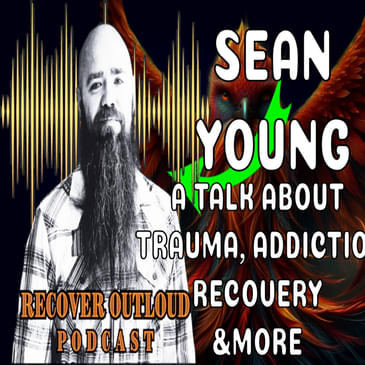

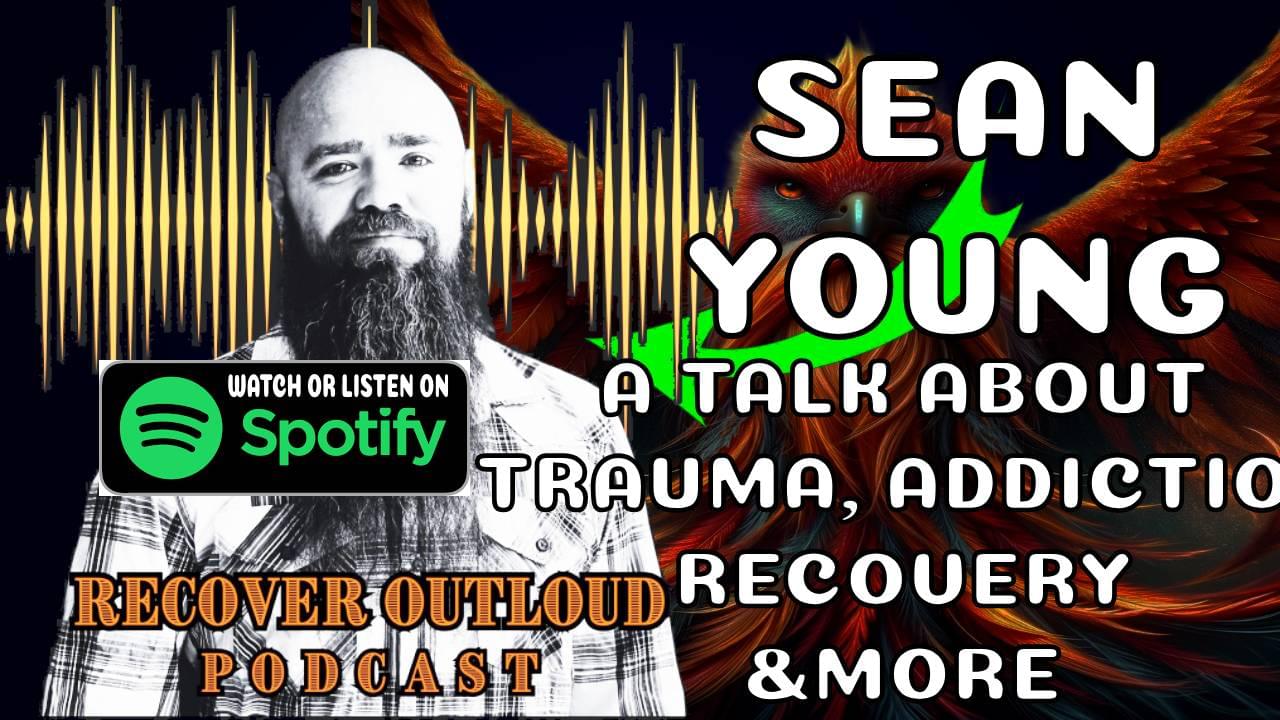
Join Sean and I for a frank conversation about his veteran status, the resulting PTSD, addiction, and recovery.
Check out The Recover Outloud Podcast HERE
Hey everyone, it's Chris Horder here, but you might know me as Chuck LaFlange from the Ashes to Awesome podcast. We dive deep into the realities of addiction and trauma, something I know all too well. I'm celebrating a huge personal victory – a year of sobriety as of October 21, 2023!
I've got some exciting news to share: I've been given an incredible opportunity for healing therapy at the Yatra Center in beautiful Phuket, Thailand. This isn't just a chance for personal growth; it's also a strategic move to keep the podcast thriving in a more cost-effective location. My family has been amazing, covering my travel expenses, but I'm still facing a financial shortfall.
The podcast does bring in some sponsorship funds, but it's not quite enough to cover everything. The Yatra Center is kindly covering my first month's stay in Thailand, but beyond that, my financial future is a bit up in the air.
This is where I need your help. I'm reaching out to our incredible community for support. Any contribution you can make will go a long way. As a token of my gratitude, I'll give a special shoutout to you on my podcast. If addiction has touched your life, we can also share a story in honor of your loved one.
Whether it's a modest $5, a generous $25, or if you're able to contribute $100, your donation can make a significant difference in my journey.
Join me in this chapter of healing and transformation. Your support is invaluable. Thank you for being a part of this journey and for being a part of my story. Donate HERE
If you are listening on the Spotify platform, you are able to share your thoughts about an individual episode in the interactive element that Spotify offers. Doing this tickles the fancy of the algorithm and really helps us to spread the message.
Also please visit our Facebook page here, and like, share, or comment on any of the posts. Your feedback there is sincerely appreciated, and taken quite seriously.
Ours sponsors, that make spreading the message possible :
Rosecrest Recovery Services Call 615-484-8792 or email info@rosecrestrecoveryservices.com
Together We Can Recovery Society http://www.twcrecoverylife.org
Revolution Recovery - https://www.revolution-recovery.com/
Yatra Trauma Therapy Center -https://yatracentre.com/
Nate D Foundation =https://nate-d.ca/
Sean Young (00:01.653)
Bye!
Chuck (00:03.911)
Hello everybody, watchers, listeners, supporters of all kinds. Welcome to another episode of the Ashes to Awesome Podcast. I'm your host Chuck LaFlange and with me in virtual studio today is Sean Young. Now, Sean is the host of Recover Out Loud. It's a podcast out of somewhere in the US. I can't remember what state, Sean. How are you doing today?
Sean Young (00:22.771)
I'm fantastic, how are you?
Chuck (00:25.512)
I'm excellent. I'm in Thailand, I'm halfway around the world from you. It's only 9.30 at night, it's not even that late for me now.
things are kind of crazy here right now. It's well, actually they're the opposite of crazy because I'm at a trauma treatment center. So yeah, yeah. Right? Yeah, yeah, right, right. You know, you can see if anybody that's watching, I'm in a tank top and I don't like, I normally I'll like put on a nice shirt for a recording. Since I've been here, I've been like, fuck that man. You don't even know if I'm wearing pants right now. That's where I'm at, right? Yeah. Hey.
Sean Young (00:40.297)
Well that's good.
Sean Young (00:56.65)
You don't know if I'm wearing pants, okay?
Chuck (00:58.207)
No, I don't. No, I don't. I've actually thought about on our weekend ramble episodes of introducing a segment called Pants or No Pants. You know, maybe a prize if you guessed right. And then I feel like there's a whole new podcast. Pants or No Pants, right? There you go. Right, so. Right, right. You know, Brooklyn Nine-Nine. Are you a fan of the show?
Sean Young (01:12.406)
Yeah, talk strictly about pants and the fabric and then, hey, am I wearing pants or not?
Sean Young (01:21.407)
Yes.
Chuck (01:22.199)
Yeah, he's like, oh, name of your sex tape. I've taken this thing on now. I'm like, name of your podcast. Right? So yeah, right. So hey, listen, Sean, we were talking before the show. We're both kind of the same mind. There's a bunch of things I'd like to talk with you about. But in order to do that, we've got to get a sense of who you are. So if you want to kind of give us a, you know, actually, you know what?
Sean Young (01:27.259)
Hehehehehehe
Right?
Chuck (01:48.271)
One thing I will never stop doing, because I think it's a great line of questioning, maybe start off with the first time you remember trying a substance. And I got a couple of follow-up questions to go with that, and then we'll just kind of get into your story, if that works for you. Yeah.
Sean Young (02:01.534)
Okay, yeah, so the first time I remembered trying a substance was when I was 16, but I wasn't like really big into it. I went to a friend's house and it was like Christmas party and he's like, Hey, give me a chocolate, or, you know, here's a chocolate, try it. And it was one of the ones with whiskey in it. And I didn't know.
Chuck (02:16.968)
Oh, okay.
Sean Young (02:18.07)
And he was like, you gotta bite it and then pour it in. And I didn't, I was like, oh, this is disgusting, right? And I didn't tell anybody, but I didn't really continue. There was a time before that I don't remember, and my mom left me with a bunch of people that were supposed to watch me, and apparently I killed all of her wine coolers in the fridge. It was wild. So yeah, that's about the first time that I remember trying any alcohol.
Chuck (02:43.211)
I'll be right back. Some weird alarm just started going off on my tablet. It's like waking up the whole fucking center. One minute. Yeah, okay. Okay.
Sean Young (02:46.738)
No worries.
Sean Young (03:20.879)
It's still going, I love it.
Sean Young (03:31.883)
Hahaha
Sean Young (03:39.648)
It just won't stop, it's great.
Sean Young (03:45.544)
Hahaha
Sean Young (03:59.622)
Oh.
Chuck (04:03.435)
What's that?
Fuck
I don't even know what the fuck just happened man. I don't know, I don't know.
Sean Young (04:10.442)
Oh, I'm sweating. I'm sweating. That was so funny. It was like, just what do you think it's over? Nope. Do do do.
Chuck (04:20.576)
Fuck me, that's so fucking loud. And this is like this is... I'm not even going to edit that shit out. Fuck it.
Sean Young (04:23.808)
And your reaction every time, what the fuck?
Sean Young (04:30.206)
No, keep it!
Chuck (04:36.971)
Fuck sakes, man, fuck sakes. Okay. Woosa. Okay, that was not conducive to being in a trauma therapy center. That was not, that was horrible. Scarring, scarring, okay. Glad I could be of some entertainment to you, my friend. All right, all right. Good stuff, good stuff. So hey, listen, okay, let me re-ask that question again. What's the first time you remember getting fucked up?
Sean Young (04:48.562)
Oh shit, I'm crying. That was the laugh I needed this morning. Okay, alright.
Sean Young (05:05.834)
Oh, first time I remember getting fucked up was my first weekend in the army and active duty service. I was in Vicenza, Italy, and, uh, yeah, I made a promise to myself and I've shared this on about every podcast I've been on. I made a promise to myself when I was younger that I would never drink, smoke or do drugs, and I broke two of those in the first weekend. Yeah, yeah.
Chuck (05:14.399)
Okay?
Chuck (05:27.435)
Oh yeah.
Okay, okay, yeah. How to make you feel.
Sean Young (05:34.254)
Oh dude, so I felt invincible man. I felt like I was on top of the world. I felt like...
Sean Young (05:43.306)
I felt like a fit in and like I belonged, you know what I mean?
Chuck (05:48.032)
So here's where the question gets interesting. And really interesting for you because I don't think I've ever had this conversation with somebody who tried it so late in life. Most people are like, oh, I was six years old and I was doing rails off a stripper's ass. But you're like, you know, as an adult now in the army, in active service, you've already been through some stuff to get to where you are. So the question I always ask is, at the time...
Sean Young (06:09.046)
Yeah.
Chuck (06:13.491)
Did you realize what it was doing for you? Were you introspective enough at that point to understand that it was helping you fit in or helping you feel like you fit in? Or did that come down the road?
Sean Young (06:22.754)
No, that came down the road, you know, I was
I didn't do a lot of introspective work, like looking at it and saying like I fit in. But it was more along the lines of the more that I drink over time, like you know, a more experienced seasonal drinker I guess you'd say. And I was hanging out with people, I started to fit in because they were acting like assholes and I was acting like an asshole, right? Or they would be out, yeah, birds of the feather we flock together, you know, or they'd be out at the club dancing and getting buck wild and I'm out there doing the same damn thing.
Chuck (06:37.748)
Yeah.
Chuck (06:41.791)
Yeah.
Chuck (06:48.223)
Birds of a feather, right?
Sean Young (06:57.584)
So yeah, I didn't really notice it right away, and it took some time, but the more time that I started to realize that I was fitting in, the more I started to realize the crowd that I was fitting into, and it wasn't a good one.
Chuck (07:13.007)
Okay, okay, so that's interesting. It's about a 75, 25, typically people, one in four will say, you know what, yeah, I knew, I knew what I was doing at the time and why I was doing it, but pretty rarely do people have that kind of insight into themselves until, usually until recovery, when they figure out what the fuck they were thinking, right, so, you know, right, so, yeah, yeah. So hey, listen.
Sean Young (07:33.216)
Oh yeah.
Chuck (07:37.415)
Maybe just give us an idea of how is it that you get to a point where you're doing a podcast called Recover Out Loud? Like what's your story that gets us here? And then we can talk about some things, right?
Sean Young (07:43.426)
Mm.
Sean Young (07:47.506)
So the short version of it, because it's long, I can sit here and talk about details for hours, but the short version of it is I suffered childhood trauma from everybody in my life that was meant to show me love and support and teach me the vital lessons as a child of what love is, what trust is, how to do X, Y, and Z. And so I suffered childhood trauma from them and then really bad with my dad,
bad with my dad. And then I entered into the army and I start my addictive behaviors. I go on a few deployments and those deployments obviously if you can just imagine if you seen like seen some movies you can kind of get an idea or general gist of what it was like. And things you know there's some traumatic experiences there. There were some unhealthy behaviors that surrounded you know those deployments. And then
Chuck (08:35.292)
Yeah.
Chuck (08:45.769)
I meant, that's a culture thing I imagine, in the armed forces, that would be, yeah, yeah.
Sean Young (08:47.942)
Yeah, well it really all depends. I mean, like for me, I liken it to like this, my first deployment, I didn't care if I lived or died because I had nobody to live for, right? And I put my value on other people. And I put my value on what other people thought of me. And so therefore I had, my family was out of my life at that point. I didn't have any significant other. I was 18 years old, 19 years old. I didn't have shit to live for.
that I that I could see.
And so, yeah, I would take extra measures, you know, or live in more of an extreme mindset, like standing up in a firefight versus being in cover, leaving cover, leaving concealment. Yeah, I didn't really care, dude. Like, it was the first time in my life that I was ultimately like, I don't give a shit. I've had suicide attempts or suicidal ideations as a kid, but nothing like that, nothing where I was like going to extremes.
Chuck (09:33.076)
Oh man.
Sean Young (09:48.368)
Thanks for watching!
Chuck (09:48.487)
So what about the guys around you in a case like that? Like your brothers in arms or whatever, you know, your people, what are they saying? What are they doing when you're pulling shit like that?
Sean Young (09:53.366)
Yeah.
Sean Young (09:57.478)
Um, you know, really at the time they started to hate me because I was putting everybody's life at risk, right? Like...
I wasn't just putting mine at risk by being out and standing up and doing shit like that. I was putting them at risk because if I got hit, they would have to recover my body. And then that would leave them exposed, right? So like I was a dickhead. I was a dickhead and I was very selfish. And I didn't, but I didn't care, you know? And so every deployment, I've been on four deployments to Afghanistan.
Every deployment I would get back and within a half an hour of being back off of the bus, back in my room I was drinking. But it was like I was picking up where I left off a year, 15 months prior to that so there was no like gap in time, lapse in time.
Chuck (10:48.188)
Yeah.
Sean Young (10:49.706)
And my third deployment was probably my hardest one. I watched my best friend get blown up in front of me. And it happens, you know? And within like half an hour of him getting hit, he ended up dying on the aircraft when we got a medevac out. And that haunted me for like 10 years, right? And...
Chuck (10:56.595)
Sorry, man.
Sean Young (11:15.066)
That coupled with hereditary disposition of addiction really started putting me in this downward spiral. It started affecting all my relationships. It started affecting my performance at work. It started affecting my health. I had traumatic brain injury from being a paratrooper jumping out of airplanes, being close to concussions, being close to explosions, having hit an IED in a truck. Just like life became unmanageable in 2018. Yeah, the Army was like, hey man, sorry, we can't use you.
anymore, you're not repairable. So they were in the process of medically separating me. And my life kind of turned upside down, right? And I was losing a marriage, I was losing my job. My daughter, she was already halfway across the world with her mom and her stepdad. And her stepdad is one of the greatest human beings that I've ever met in my life. And.
You know, so I was like, she's got a great stepfather. She don't need me. So I attempted to like I had an attempt. I drank enough. I drank about five bottles within a short span of time. And I ran my truck into a tree at 70 miles an hour. And like, yeah, the engine block was like that far from me. And yeah, when I came to in the hospital, I didn't want to be alive. I was like, I was like, see, I I'm such a failure. I can't even kill myself. Right. And.
Chuck (12:28.169)
man.
Chuck (12:37.471)
Yeah.
Sean Young (12:38.37)
And I just got to this point, man, where I realized that shit was bad and the way that I'm thinking is not great. And so I checked myself into a mental health facility and it was good. I spent 11 days inpatient, 11 days outpatient. It was awesome. I learned great things, but that didn't stop me from drinking. It really only, it was a buffer until the next time. And the next time was the last time. And the next time, July 4th, 4th of July for anybody who doesn't live in the States and
Chuck (13:07.795)
Yeah.
Sean Young (13:10.607)
I fed myself to life for the last time and I said I'm good enough to drink or I'm okay enough to drink. That relapse lasted six months. On the back end of six months I...
I had an incident that led me into jail. And when I was in jail, I blamed everybody for my problems. I had to blame everybody. And this old native man was in jail with me and he looks at me and he goes, you created all your problems. Once you accept that, you'll be okay. And I shit you not, like December 27th, he said that to me. At first I was kind of like in denial. I was like, man, who the fuck are you to talk to me like that? Like...
Chuck (13:46.028)
Yeah, right, yeah.
Sean Young (13:46.262)
And right, like that defense mechanism. And then I really sat with it and I thought about it. And I was like, yeah, man, he's absolutely right. And when I when I thought of, you know, thought about it and I sat there and I just ruminated on it, I accepted. I said, yep, I did all this, all these things in my life. And that moment, that moment when I when I accepted it, I got a tap on the cell as the corrections officer. He said, your bill got posted. We're waiting on electronic monitoring to come. And you're out of here.
Chuck (13:49.78)
Yeah.
Sean Young (14:15.486)
And yeah, dude, and it was just like that thing that thought of acceptance. Now, had I not accepted it, I don't know what would have happened, but I was in next. Yeah. Oh yeah. Yeah. And.
Chuck (14:15.507)
Wow.
Chuck (14:23.943)
You get out, you're a jackass again as soon as you get out or shortly after, right? Like, of course, of course, right? Yeah, yeah, right.
Sean Young (14:30.714)
So I entered into Recovery Man and like I entered into what's called a drug court or therapeutic court where I was accountable for everything and I was accountable for my actions, accountable for the actions I didn't take. I had to take care of my mental health, I had to you know maintain my sobriety and then on the back end of that after I graduated I ended up getting into peer support so I became a peer support specialist and that was fun but I wanted
around the world and I started my show in last year and when I started it was sitting with Sean
And then it evolved and I always, I believe that as creatures we have, like human beings, we have to evolve, we have to change. And you and I spoke about that the other day. And so for me, I had to take it and evolve it, right? Because Recover Out Loud, living in recovery and speaking about it, you know, being so open about it and being vulnerable about it is really what kept me in the name of Recover Out Loud, you know? And I love it.
Chuck (15:18.697)
Yeah, we did.
Chuck (15:28.532)
Yep.
Chuck (15:37.171)
Yeah.
Sean Young (15:39.348)
love my podcast. I don't see it ending anytime soon.
Chuck (15:42.379)
Right, I'll share that sentiment with you. Part of the reason I came to Thailand, as you know in our discussions, is it makes what I'm doing sustainable for cost of living, because this is not a lucrative thing that we're doing. Can't all be Joe Rogan, no? Not yet, maybe someday, right? But here we are. And the thing is, is I can't picture myself doing anything else now.
Sean Young (15:56.166)
Yeah. All right.
Chuck (16:03.507)
What's more, and I can say this definitively, had I gone and gotten a job at a trucking company in management or in sales and whatever, all the things that I've done, there's no way I'm sober today. There's no way. But now I got this community that we're building, I'm surrounded in recovery 12, 16 hours a day, I work my ass off at this, and that's what's helped get me on the straight and narrow. And that's why I'm sitting here in Thailand right now on a scholarship to this treatment center. It's all because of the show, man. It's all because of the podcast.
Sean Young (16:28.843)
Yeah, absolutely.
Chuck (16:33.041)
It's about helping it, you know, all this shit. I don't have to tell you. I don't have to tell you, you know what's up, right? I gotta tell you the name, the name, recover out loud if I can interrupt for a second, Sean.
Sean Young (16:36.182)
Yeah, yeah. You know, and that's the thing, like.
Okay.
Chuck (16:42.891)
I fucking love that. I love it. The first time I heard, I recovered out loud, I was like, yeah, you do, right? Like I just, and it's such a common term now, right? But five, 10 years ago, it wasn't, right? Now it really is. It's almost a mainstream thing to say. And that just shows that we're making some room or making some headway on the stigma, right? 12-steppin'. I'm not a 12-stepper. I believe in it. I do.
Sean Young (16:50.068)
Fucking right.
Sean Young (16:54.86)
No.
Sean Young (17:03.297)
Oh yeah.
Chuck (17:11.579)
For me, just logistically, it didn't work out. And then there's some other things. Whether or not I was in the rooms or not, I should say, my first 30 days was doesn't happen without the rooms. There's no fucking way, right? And that's why to this day, and every person that sits on my show and has something negative say about 12 Stepping, got sober by 12 Stepping. So I say, you're not even sitting here having this conversation about how much you don't like them without them, so shut up, right? That said.
Sean Young (17:23.426)
Yeah.
Sean Young (17:38.183)
Yeah.
Chuck (17:40.627)
The idea of, and this is something that really I've noticed south of the border in the United States compared to Canada, a lot of people down south are much more against the idea of saying, yes, I am in Narcotics Anonymous, yes, I am in because of the anonymous part of it. I take exception to that personally. In my mind, that spirit is to protect other people's anonymity.
not mine, if I choose to say I am in a 12-step program, I have every right to do that. I don't think anybody has any business telling you that you're not okay doing that. Because what do we do as we go through the steps? We tell other people we're in the fucking program so that we can bring them into the program. I hate so, right?
Sean Young (18:28.308)
Yeah.
Yeah, well to further solidify your point, man, is anonymity, you know, and that was a big thing that really came across when I would ask people that were in the rooms, hey, you wanna come on the show and share your story there? Well, I can't really talk about it because my story, you know, involves AA. Well, here's the thing, like, that's cool, and I respect that. If you look back at history,
Right? And you look back when in the days of Bill Wilson or you look in the in the days of Dr. Bob or you know, Judy Garland, I think that's her name They were pioneers for recovery right? The grassroots of all recovery is 12 step, right? They branch out from there whether it's MAT or other other, you know, branches of recovery Yeah, yeah
Chuck (19:11.155)
Yeah, I thought it out. Yeah, yeah. Yeah.
Chuck (19:17.436)
There's always that fundamental that starts with, yeah, the phototope, yeah.
Sean Young (19:22.022)
Anonymity started with or you know
the difference between anonymity, you know, for other people and for yourself really started with them when they went to Congress, American Congress, and they said, hey, here's all these celebrities that have volunteered to come out and share their story and share that they're in recovery, Dick Van Dyke, Buzz Aldrin, you name them. And there were so many celebrities, like sports figures, or like actors, or even politicians that were in recovery, that came out and said, hey, look, I'm in recovery. And so that anonymity, I think,
Chuck (19:49.063)
All of them, right? Yeah.
Sean Young (19:55.216)
a lot of people use that, and it's gonna sound bad, they use that anonymity part to cover up for the shame that they feel. Yeah.
Chuck (20:04.303)
and maybe that's what it is, right? It might just be that simple, right? Or that complicated, depending on how you wanna unpack that. But I, yeah man, I really have a hard time with that. And in Canada, it's not so much like that. Obviously you have to respect everybody else's anonymity that wants to stay anonymous. To me, that's what that second A is in any 12 step, right? It's not about me, it's about me respecting other people.
Sean Young (20:10.765)
Yeah.
Chuck (20:31.887)
and about them respecting mine, should I so choose, right? And it's a conversation, I've had one person on the Canadian side of the border that I've had that conversation with, but I've had more than a few, and so my experience is anecdotal, maybe it's not as different down there as I think it is, because I've got such a small sample size, right? But it seems that way to me anyway, right? The pushback, and...
What better way to reach the masses, man, than doing what we're doing, right? Like, what better way to spread the message of recovery? And I don't understand how somebody can take exception to it. I just don't, right? I mean, unless you're spreading, you know, disclusion or some sort of hate or some sort of, a podcast is a great way, man, to reach some people, you know, right? So, yeah, yeah.
Sean Young (20:59.519)
Yeah.
Sean Young (21:17.418)
I can tell you, I can tell you when I, when I lived in Alaska, I was one of two recovery podcasts and the other guy strictly interviewed people that were in the indigenous culture, right? And so I was really the only person that was like open. I mean, he interviewed me as a white man and that's okay. I appreciate that. I'm grateful, you know, but, but he sticks to the indigenous, indigenous tribes, indigenous people that are in recovery.
Chuck (21:30.648)
Okay.
Sean Young (21:47.392)
melting pot of people. And so when I would have friends come to me, they'd say, hey, you know, we heard about your podcast through X, Y, and Z. And I'm like, whoa.
Chuck (21:57.529)
Ha ha ha.
Yeah, yeah. Ha ha ha, it's a good feeling there too, right? I say to people, and to do this, you have to have a certain amount of ego involved.
Sean Young (22:00.83)
My name's getting out there. Yeah.
Chuck (22:10.799)
It's just reality of it. It's not necessarily negative ego, but it's ego, right? To fuck it, pick up a computer and start babbling into it and then figuring out the guessing and all that, just to do it, there's a certain amount of ego involved, and I'm not gonna lie, right? It feels good when a motherfucker reaches out to you and says, hey man, let's talk about being on a show or whatever, you know? It feels good, and it means to me, yes, there's some ego there, but it also means that you're starting to reach some people.
And that's a great feeling, right? That's a great feeling.
Sean Young (22:40.69)
Yeah. I think, I don't know how it is for you, but for me, I don't get a lot of, a ton of feedback on my recovery stuff. And so when...
When I get to these points where I feel like I'm not making an impact or I'm not doing anything for the community, somebody will reach out. And it's not like I'm baiting, but like the universe knows my higher power, what have you, whoever you decide that is. Reaches out, somebody reaches out and they're like, hey, your story has really helped me out. Or what you're doing in the recovery community is really helping me out, is keeping me sober or keeping me in the right mind frame.
Chuck (23:19.283)
Yeah. Right? And just one, we all say the same thing, if I can reach one person, and I don't know another creator that says any different than that, right? And I take that at face value, that we all mean it as well, so, right?
Sean Young (23:22.082)
This is astounding.
Sean Young (23:31.006)
No, when I, when I.
Sean Young (23:35.09)
Yeah, when I first started this, I said, I don't want to be famous. I just want to help change the world. And I live to that, right? Like, I don't give a shit to be famous. I don't care if I make any money off this. It would be cool to, but I'm not, that's not my goal. My goal is not numbers. My goal is not subscribers. My goal is the message, right? Because at the end of the day, people's lived experience is going to help the next person down the line.
Chuck (23:58.399)
It is fucking right. And by cracking that second A open, I've never said it that way, but by cracking that second A open and taking it for what it is, other people's anonymity, respecting other people's anonymity, we can do something about the stigma, right? And the stigma is the boot, man. It's the boot on the neck. It is a shit thing to do. You know, and I made a reel that said,
The real moral failing is propagating the stigma. To me, that's the real moral failing. So just cut it out, right? You know what I mean? Words matter. I really, if I'm saying addict, it's because I'm speaking directly to somebody who I'm comfortable with enough to shorten up my verbiage. But if I'm on the show, I really never use the word addict. It's people suffering in addiction because it's fucking suffering in addiction.
Sean Young (24:38.008)
Yeah.
Sean Young (24:54.618)
Oh yeah. Oh yeah.
I do a lot of work on TikTok and social media has been a blessing, but it's been an absolute curse man, because you get some of the nastiest people out there that will spew some of the nastiest things behind a fake profile. And so I approach every situation like that with the thought of education instead of degradation. I'd much rather educate somebody. And if they choose to take the statistic I gave them or choose to take the lived experience
and apply that and say, okay, cool, fine. If not, hey, look, man, I just hope you never have to suffer from what me and my friends are suffering from.
Chuck (25:37.383)
Yeah, right, or you have a kid who's doing this. Or you know what I mean, right? I'll speak to something there. So I made a reel the other day. I'm not sure how I feel, or a meme the other day, and I'm not sure how I feel about it. I'm not gonna pull it up to quote it exactly, but it said something to the effect of, if you have a loved one who you left to suffer an addiction that is now sober and in recovery, they did it in spite of you, not because of you. And I got a lot of, I got some pushback on that.
Sean Young (25:39.655)
Yeah. Oh yeah.
Chuck (26:05.515)
Right? Yes, you can imagine. And it's kind of, if I'll be honest, it's part of the reason that I kind of step away from the 12-step thing is because of that. Some people believe that leaving somebody to hit rock bottom is the right thing to do. I don't, personally. I just, I think it used to be. I think 40 years ago when alcohol was the biggest problem we had, that it was. But today's reality, waiting for somebody to hit rock bottom, waiting for them to die, right? With a fentanyl epidemic that's going on right now, right? You know?
Sean Young (26:05.718)
Yeah. Mm-hmm. Yeah.
Chuck (26:35.311)
So I got some pushback. It's funny. I mean, I'm part of some huge groups on Facebook. The partners and spouses and family members groups, a lot of pushback.
Like a lot of like, fuck you, that's not okay. You don't know what you're talking about. But I kind of do, right? Because I've got my own lived experience. I have a list of Family Friday moms who've been on my show and shared their experience. I have memorial moms that are coming out. Like I got more memorial moms on my messenger, man. People who've lost their kids to addiction because we used to do that every week. And I kind of do know what I'm talking about actually. But the memorial groups.
Sean Young (26:55.118)
Mm-hmm. Yeah.
Chuck (27:18.131)
The ones that are full of parents who have lost their kids to addiction? Not a single negative comment. Not a single one to that mean. And they all say the same fucking thing. They're like, yeah, right. I wish I could have done more. I wish I made more effort. I wish I didn't leave my kid out there to die. So when you're left to face the consequences of what I feel is the wrong choice, your perspective changes in a hurry. So.
Sean Young (27:23.702)
Yeah.
Sean Young (27:42.926)
Oh, oh yeah, yeah. Yeah, I think when we present things out into society that are a bit uncomfortable, it doesn't matter what you said prior to that and all the good things you said prior to that, what you just said, turns you into the devil. I had a friend that I had to cut loose of 12 years. 12 years.
because I made a response to a lady that said, all addicts and alcoholics are disgusting subpar human beings. And I said, well, that's not okay, because those of us that are in recovery, we advocate for those people. And we also advocate, you know, to become better versions of yourself. And then I found out that like she dealt with some trauma as a kid, because her mom, you know, was in addiction, and she got assaulted by an older man.
Chuck (28:19.017)
Yeah.
Sean Young (28:34.436)
And I said, well, look, I'm sorry that you went through that, right? But like, your mom was a sick individual and this human being is a piece of shit, right? Like there's two dynamics, two different dynamics, right? And you looking at one and like kind of blending the lines is not okay. And my friend absolutely went off on me, like didn't call me to talk to me. She had my number. Didn't call me to talk to me. She just decided to publicly degrade me. And I said that that's not okay.
Chuck (28:46.122)
Yeah.
Chuck (28:49.578)
Yep.
Chuck (29:04.627)
No, it's not. No, right?
Sean Young (29:04.877)
Right? And I think upholding those boundaries in those relationships on social media is huge.
Chuck (29:11.143)
Absolutely it is. Absolutely, right? And good for you for...
That's an uncomfortable thing to say. The easy, the low hanging fruit is to be like, oh wow, I can't imagine, I'm sorry. But to call that person out and say, you know what, no, it's not all addicts or people that suffer an addiction, it's that person was sick and that person's a piece of shit predator and that's got nothing to do with me or the people that I'm advocating for, most certainly. I think you did the right thing there, bro, 100%. 100%, you know, so, yeah, yeah.
Sean Young (29:27.306)
Yeah.
Chuck (29:46.74)
A couple different things. It's a hot topic lately for me. Of course, the stigma thing, I mean, I could go on about that for hours, man. I really could. At the end of the day...
Sean Young (29:53.964)
Oh yeah.
Chuck (29:58.651)
Recovering out loud and this why I love the name of your show man It's the way to beat that it really is right and here's a fucking here's the thing I say it all the time if all the addicts all the people suffering and addiction got sober at the same time The rest of y'all would be fucked because you'd all be working for us. We'd have world hunger world peace Fucking global warming. We'd find out where the socks were in the dryer We'd have all that shit figured out because it's all fucking nonsense compared to managing a habit for years at a time
Sean Young (30:19.973)
Nah, yep.
Sean Young (30:27.843)
Yeah.
Chuck (30:28.645)
nothing on that man. We'd all get together and say, oh fuck we would figure this out, no problem, right? You know, once you've had to supply a $300 a day habit, you know, in the middle of winter in Canada, homeless, right? I don't know how that shit even is.
Sean Young (30:40.475)
Yeah, yeah, it doesn't get much worse than that.
Chuck (30:44.455)
And no, it doesn't, right? The kind of ferocity and intensity and ingenuity and commitment, you know? And then when we do get sober, when we do get sober and we've all risen from the ashes, it's like this army of phoenix, you know? And we are capable of fucking anything when we get together. And I'm like to that, I am 100% certain, right? You know?
Sean Young (31:09.855)
Yeah, absolutely.
Absolutely. I think with the stigma too, like I agree with you wholeheartedly and I think with the stigma is Also, we I feel that there's a stigma of people in recovery because I see it a lot on social media is like people In recovery thinking that they're better than other people right and that you know, and I hate that shit I hate that shit right and like there's some creators that tow that line, right?
Chuck (31:32.747)
Yeah. Yeah, man.
Sean Young (31:40.912)
know being humble and being and having their ego step in right and it generally involves like the MAT community I have nothing against people on MAT I think it's a wonderful program but it involves the people in MAT where they're like you know
Chuck (31:42.922)
Yep.
Sean Young (31:59.198)
They degrade instead of educate and then they think that it's education, but there's no statistics. There's no Lived experience. It's just like you're dumb if you don't agree with me. Sorry Not everybody's gonna
Chuck (32:10.011)
Or my personal favorite, if you don't show you care the same way I do, then you don't care. That's harm reduction versus everything else, right? And it's like, no, wait a minute. Wait a minute, you know? Do you guys got safe supply down there in the United States? Is that a thing that's happening at all? So, British Columbia, NPC in Canada, they have started three years ago now, prescribing hydromorph to opiate addicts.
Sean Young (32:17.61)
Yeah.
Sean Young (32:20.796)
Yeah.
Yeah.
Sean Young (32:28.42)
uh what let's see what's safe to play
Chuck (32:39.887)
so that they don't go out and buy fentanyl.
Chuck (32:44.851)
You know where this is going.
Sean Young (32:46.406)
Yeah, yeah, we have something like that, but I'll tell you afterwards.
Chuck (32:48.85)
Okay.
what's happening and we all know what's happening. A, the statistics aren't being reported by anybody. We don't know for certain. The statistics that have come out just recently, and this was at the Canadian Symposium for Addiction Medicine, CSAM, where all the doctors in Canada get together, like the addiction, all the big players, the small players, everybody gets together. Two of my co-hosts were there.
Sean Young (33:11.254)
Okay.
Sean Young (33:17.164)
Yeah.
Chuck (33:21.015)
to do that, of course, one of them being the psychiatrist, Dr. Lisa. And so she comes back and she talks about this talk she attended where they're saying, listen, the vast majority of those drugs are being diverted. They're being sold. Because to a fentanyl addict, hydromorph, nope, nope. You might as well give near beer to an alcoholic. It's just not going to do it, right? So they're selling it so they can go buy their fentanyl, but you know who they're selling it to? Kids.
17, 18 years old. So now these kids are the next generation of fentanyl addicts. Because the difference is it's not Purdue Pharmacy handing it out. Now it's the government saying here. But it's the same fucking result in the end. We're just creating a bunch of fentanyl addicts, people who suffer. So I get fired up about that. We had a really good conversation on last weekend's We Can Rambl. But.
The challenge with that, and Dr. Lisa will tell you, in that talk, the people in the audience were getting so passionate and so pissed off. But it's like, listen, these are the facts, right? And you're pissed off because I don't think safe supply is the way. But I still want to help that person just as much as you do.
I still want that person's outcome to be the same. I want that person to live a long, happy, healthy life. That's it. We all want the same thing. But because you don't agree with me, we can't even have that conversation. And how many conversations don't have because of that? And that gets me fucking really frustrated. Really frustrated. What were you? Yeah.
Sean Young (34:54.836)
Absolutely.
Sean Young (35:01.221)
We kind of have things like that. I don't know what they're called, but they're all in the West Coast and it's all in the West Coast.
Chuck (35:07.956)
BC's on the west coast, so...
Sean Young (35:10.842)
Okay, alright, well that makes more sense then. I didn't even think about that. So they set up sites where they have heroin. People can go in, get clean needles, all this other stuff. They shoot up there and then they go about their day. Like, that's not harm reduction. Yeah.
Chuck (35:32.064)
That's safe injection. So, okay, now we can have a real conversation because now I think we're on two different sides of something here, which means this is the conversations I really like, right? So, yeah, right.
Chuck (35:47.183)
Safe injection sites, I'm still torn on that. Clean needles, I'm not. Listen, they're gonna do it. They're gonna do it, right? Whether or not they give each other aids, we can help. But we can't help with whether or not they're gonna slam heroin. That's just, or fentanyl or whatever. That's just a reality, right? So we can give them some clean rigs and they can get that done safely and not die so that they are there to save when we get to it. The shooting, the safe injection sites, I'm not.
Sean Young (35:53.463)
Yeah.
Chuck (36:16.007)
I'm not 100% on those though, right? I have one guest, George Foire came on, and first time he ever tried heroin was in a safe injection site, right? He was like, you know, the rigs, there's a dealer hanging outside all the time, you know, like, but I've heard some pretty strong cases for it as well, so it's tough, right? It's tough, but yeah, I don't know. Your thoughts on them?
Sean Young (36:44.462)
I don't agree with it. And I think I'm gonna liken it to kind of what you said earlier. You know, it would be like bringing a room full of alcoholics in and feeding them near beer and say, enjoy it, have a good time, right? All you're doing, you're feeding that craving. You're not addressing the behavior surrounding the use. You're just giving people the access to the use, right? And...
Chuck (37:11.4)
Yep.
Sean Young (37:13.898)
I don't agree with it. And that's just me, and I'm never gonna degrade anybody for the ad, just I don't agree with it. I have, like I used, yeah, yeah. I used to have a very extreme bias against MAT because when I was in jail, I've seen people banging Suboxone in jail, right? But they were injecting it in their eyes with water.
Chuck (37:19.115)
Of course, right. But this is how great conversations happen, right? So, right, you know, yeah.
Chuck (37:33.668)
Yeah, right, yeah.
Sean Young (37:39.374)
And like, I didn't agree with it. I got out and it was just like a broad spectrum. Like, I didn't agree with medication assisted treatment, right? And it went from that to I would see people that were like, hey, I'm taking Valtrexan. And I'm like, no, you're not fucking sober, right? And then, but then my one of my best friends came to me and he was like, hey, man.
Chuck (37:49.416)
Yeah.
Sean Young (38:05.926)
I've been sober for five years and before then I was slinging everything you can think of and he was like I started to you know I went to jail I got out I started taking Suboxone and at first I was like uh but he was like let me explain my dosage went from this to
Sean Young (38:33.006)
Okay, and so now I've eliminated that bias because, you know, I've seen it one way, but that's the only way I've seen it. I didn't see it the therapeutic way. And, but I mean, like if we look at history, anything that we use or that we do to recover, it can become addicting, right? And so it's not substance, it's the behavior surrounding it.
Chuck (38:45.628)
Yeah.
Chuck (39:03.723)
I talked to Lisa, made a case for Matt, saying that she was hardcore against it till she got to medical school and she was doing her residency and she had her addiction, whatever they called it, that portion of her education. And she started seeing people that were five years.
and had families and jobs and all those things, their life was steadily getting better. And at the end of the day, that's again, long, healthy, happy lives. Whatever that means to you, and my attitude about recovery is whatever method you're using, if it's working for you, that's the exact right method. And who the fuck am I to judge?
Sean Young (39:42.942)
Yeah.
Chuck (39:46.435)
I've certainly, I used to be Switzerland on all of this stuff, and now I've taken a pretty, I've got my stance on most of it now, right? Mandated treatment, is that a topic you've touched base on much, or where are you at with that one, Sean?
Sean Young (39:59.406)
Mm-hmm. Yeah. So I agree with it. I agree with mandated treatment. Because some of us are so hardheaded, me being one of them, right? To a degree. To a degree, right? I feel like you have to really want it, right? There has to be that.
Chuck (40:15.037)
Yeah, yeah, yeah.
Sean Young (40:23.106)
that dedication to a change, but you've had either so many trips to the jail, you know, the rate of, your individual rate of recidivism is so high or the risk of recidivism is so high that.
You really can't manage it on your own. Like I can be honest, I can say, look man, if I would have been released from jail and not gone into recovery, not been mandated to do some of these things, I don't know that I would be sober today. And I can say that wholeheartedly. And I know so many of my brothers and sisters, same thing. They don't know, you know, because they, when you go into jail or you're in a facility, you're not necessarily taught the skills, right?
Chuck (40:50.527)
Fair enough, fair enough, right? Yeah, yeah.
Sean Young (41:07.488)
be somebody that comes in once a week and holds an AA meeting or NA meeting or somebody that comes in that is peer support that has a dedication to the jail that wants to help people inside. And that's cool. But that's not the same for 90% of jails across the world. So I think when that getting out and getting into a mandated treatment, right. And I think with the mandate, like we think about the word mandate and we're like, it's bad because there's nothing on the back end for you.
Chuck (41:11.903)
Yeah.
Chuck (41:34.248)
Yeah.
Sean Young (41:38.222)
But in my mandated treatment, when I went in, I went in with the understanding that if I did not complete this program, I'm going back to jail.
if I did complete this treatment, my record would be expunged. So it would be as if, it was incentivized, it would be as if I didn't do anything, even though I knew I did, and the people that I did them to knew that I did, right? But there was incentive behind it, right? Because there's a huge stigma, we talked about stigma earlier, there's a huge stigma around the word felon. Huge, huge.
Chuck (41:57.427)
So, yeah.
Chuck (42:17.167)
Yeah, you see, yeah, you guys got it way worse than we do that way down there. Yeah
Sean Young (42:20.766)
Oh yeah, it's starting to change. The stigma is starting to change. I think the best thing that I heard somebody say, and this is actually from my brother. My brother said, he was like, being a felon isn't stopping you from getting into LLC. Pretty much like a business license. Starting up your own business, right?
Chuck (42:38.652)
LLC.
Chuck (42:43.247)
Oh, okay, yeah, yeah.
Sean Young (42:47.984)
He's like, being a felon isn't stopping you from entering into the workforce, but you have to tailor.
what you do, right? My brother's a felon, but he has a job as a car salesman, or as like a enterprise car salesman, so he goes and rents cars out to people. He's a manager there, and then on top of that, he owns his own business, his own small business, right? So like, it doesn't stop you from entering into the workforce, but the stigma surrounding it is really big, it's really heavy, and then people in their minds limit themselves to say, I can never achieve this.
Chuck (43:22.503)
Yeah, and that's one more excuse for some people too, right? We know that, right? So mandated treatment here, I mean, there's all sorts of that, hey, if you, you know, drug court, we call it, is pretty common now across the country in all jurisdictions. What we're taught, when I say mandated treatment, what I'm talking about is taking that fentanyl addict and saying, hey, listen, this is enough. We're gonna commit you to a form of psychiatric care.
Sean Young (43:25.942)
Yeah, yeah, but...
Sean Young (43:33.874)
Yep. Yeah.
Chuck (43:47.899)
and we're going to force you to go to treatment because what you're doing is not okay. And Dr. Lee speaks to this quite a bit. At first, in Alberta where I was before I came to Thailand, I heard this on the news and I was like, okay, this is going to be the fuck you mandated treatment show and it's no way, it's human rights, you can't do that, you can't lock people up for it. And then Lisa got to, you know, explaining things the way that she does.
And she says, it's not about locking up people. It's about offering people a chance to be sober for a minute to make some good choices. Because somebody that's heavily into a fentanyl addiction doesn't even have capacity. They check every box in the Mental Health Act that would commit them. If they were schizophrenic and checked all those boxes, right off to the psych ward. But because there's somebody who's suffering an addiction,
There's a stigma now, that's not what we do, right? Lisa is very vocal about it. She will accept people at the ER that come in that are in addiction. She will accept them, she will commit them, and she will tell management to fuck off. This is a person who is suffering an addiction, they have mental health problems, they are staying here until we get them a bed at a real treatment center, because we put that person out there, if we, you know, if we, what do we call it? Whatever, if we check them out, sorry.
They're going to die. And that's not OK. And it's like, fuck, OK, now you got me. Now we're going to have a conversation. In my mind, and another one of my great, great guests, Devin McGuire said, if you're asking insane people to make sane choices,
We have to get them sober for a minute so that they can stop and think about what the fuck is going on instead of being dope sick and making decisions. Because a dope sick person cares about one thing. It's the reality. It's physically addicting. Their bones are turning to dust, and it feels like the flu time is 1,000. That's a personal thing that I have heard from countless people that are dope sick.
Chuck (45:55.783)
How can you ask that person to make a sane choice? They're going to, every time, they're going to be whatever gets me on dope sick. And usually that means getting high. So if we can help those people get to a point where they can make a choice for themselves in an elusive moment.
Not when the disease is killing them, then maybe they got a chance. So that's another, it's a big hot button issue here with the harm reduction people and the other side. So I'm just curious, I haven't heard much about it out of the US. You guys are very different. We got 10 provinces, you got 50 states. So like, and your states are so much more independent than our provinces are too, right? So that's gonna look very different at any point in the country, right? So, you know, right?
Sean Young (46:30.858)
Yeah, yeah.
Sean Young (46:36.337)
Yeah.
Sean Young (46:40.398)
Dude, yeah, I'm telling you, like, I got certified as a peer support specialist in Alaska. And if I wanted to be a peer support specialist in Maryland, there's a whole different set of regulations I got to follow, a whole different process I have to go through. Right? And it's like, why do I have to go through this process to help people when I've done it in Alaska and I'm still doing it, right? Like I'm still fucking doing it. I'm still providing services. I'm not getting paid for it, but I'm still providing services to people in Alaska.
Chuck (46:45.768)
Yep.
Chuck (46:53.611)
That's crazy, eh? Yeah.
Chuck (47:04.831)
Yeah.
Sean Young (47:10.853)
like why is there such a massive difference? Why don't we have one standard across the board?
Chuck (47:13.083)
Yeah, right.
Right? Just common sense, eh? If common sense, oh, Jesus. You started injecting that into government. Jesus Christ, where are we going to be, right? It's funny, Alaska, I didn't even think about it until just now when you said it again, Sean. Alaska, last I heard, had the highest rates of fentanyl deaths in the country. Right? I've got four memorial mums that I've done episodes with out of Alaska. Right? Four of them. That's crazy up there, man. That's just not safe.
Sean Young (47:33.227)
Yep.
Sean Young (47:39.276)
Yeah.
Sean Young (47:44.694)
Yeah. Yeah, I have a friend that I'm gonna interview and she lost her brother and I could probably get her if you wanted her on your show. She lost her brother. She's been sober for quite a while, but she lost her brother to fentanyl and now she does harm reduction. Wherever she can help people build Narcan kits, she does, dude. I wasn't really big into Narcan and when I moved here...
Chuck (47:53.914)
Of course, I'm always open to it.
Chuck (48:08.291)
Yeah, hey, yeah, yeah.
Sean Young (48:15.458)
Yeah, I went into the fridge and my girlfriend has an arcade kit in the fridge and I kind of looked at it. I said, what is this? And she said, you never know who you're going to run into and when you need it.
Chuck (48:25.963)
There's a PSA that by now in the episode will have played. We do it in every single episode. And it says everybody should carry Narcan because you might not plan on being around irresponsible opioid use, but you never know when it's gonna be around you. Right? You know? Yeah, man.
Sean Young (48:41.258)
Yeah, dude, the scariest shit. I thought that I ran across that a few months ago. My girlfriend and I went to, we have tractor supply here. And if you don't know what tractor supply is, it's like a big, it's like Redneck, it's like Redneck yacht club, dude. They got Carhartt shit everywhere. They've got your Ariat stuff. But they also got like dog food. And they got like more high-end dog food. And guns, brother!
Chuck (48:57.771)
Ha ha ha ha ha ha ha ha ha ha ha ha ha ha ha ha ha ha ha ha ha ha ha ha ha ha ha ha ha ha ha ha ha ha ha ha ha ha ha ha ha ha ha ha ha ha ha ha ha ha ha ha ha ha ha ha ha ha ha ha ha ha ha ha ha ha ha ha ha ha ha ha ha ha ha ha ha ha ha ha ha ha ha ha ha ha ha ha ha ha ha ha ha ha ha ha ha ha ha ha ha ha ha ha ha ha ha ha ha ha ha ha ha ha ha ha ha ha ha ha ha ha ha ha ha ha ha ha ha ha ha ha ha ha ha ha ha ha ha ha ha ha ha ha ha ha ha ha ha ha ha ha ha ha ha ha ha ha ha ha ha ha ha ha ha ha ha ha ha ha ha ha ha ha ha ha ha ha ha ha ha ha ha ha ha ha ha ha ha ha ha ha ha ha ha ha ha ha ha ha ha ha ha ha ha ha ha ha ha ha ha ha ha ha ha ha ha ha ha ha ha ha ha
Yeah. And guns. There's lots of guns. Right? America! Right?
Sean Young (49:13.134)
America Greatest culture in the world. No So we went there and we literally just pulled up and we seen this car turned on The the door opened and this guy slumped over on the inside
Chuck (49:30.245)
Sounds like an overdose to me.
Sean Young (49:31.53)
My brain went to that and I was like, oh fuck, he's either overdosed or dead. And I ran inside because if I were to put hands on this guy in the parking lot and he wasn't dead, like not physically like punching, but like if I had put hands on him, I have the right to be sued. So I went inside and I got an employee, oh it sucks. And I got an employee, we went out together because I wanted her to have somebody that corroborates the story. We got out there and found out it was just a handicap guy
Chuck (49:46.759)
Yeah.
Sean Young (50:01.444)
but like how quick that it could have been something different.
Chuck (50:04.007)
Yeah, right? True story, man, true story. The last memorial episode I did, oh, I can't remember her name right now. She lost her son to a drug poisoning we call.
They never called it alcohol overdose. Remember when we were kids? It was an alcohol poisoning. Why is it a drug overdose? It's because of fucking stigma, that's why. So now, words matter, this enlightened side of us is supposed to call it a drug poisoning. And to that, I say, yeah. Yeah. Anyway, she lost her son to a fentanyl poisoning. A couple years later.
Sean Young (50:19.435)
Yeah.
Sean Young (50:25.532)
Yeah.
Chuck (50:43.007)
She keeps an Arkand around now, it's a big part of her thing. She's advocating and all that. She looks out her front window and there's a line up of traffic and a stop sign in a residential area. She's like, what the fuck's going on? She looks out again a minute later, still there. Oh, this is weird. So she goes and looks. Guy's slumped over in his vehicle at the stop sign. She's got an Arkand. She saves the guy's life. Just like, boom. That's why you have it in your fridge, right there. Because that's a real possibility now.
Sean Young (51:08.086)
Yep.
Chuck (51:12.591)
Every day, every day Sean, a 747 falls out of the sky in North America between Canada and the United States. That's how many people die of fentanyl poisoning. Every single fucking day. COVID never even got close to those numbers. They shut down the world. Realistically, at a societal level, we're not doing anything about this.
We're not. We are. There's people like you, there's people like myself, there's all these memorial moms that are just trying so desperately hard to save other people from the anguish that they're in every single day. But we're not doing shit as a society to help all these people. And if 500 people a day die, that's 5,000 people that are affected at 10 people, which is a pretty goddamn low number, to attach to every person that suffers an addiction, right?
that are suffering alongside. And when you put it in terms like that, man, we've got to do better. We've just got to do better. Right? Oh, man.
Sean Young (52:16.866)
Yeah, think about it. Think about it though. Like, like, we don't do anything about it because it doesn't directly affect us. Right? So like,
Chuck (52:25.311)
Right? Yeah. So we think. So we think it doesn't. Yeah.
Sean Young (52:27.602)
So we think, right? And I agree with that, so we think, right? And so like, to the average everyday person, if I were to walk across the street and I say, you know, what are your opinions on Narcan? Nine chances out of 10, they're gonna be like, what is Narcan? Because they don't understand it, they don't know that stuff. And it could also be because I live in a town that is like 300 years old, where everybody remembers the Civil War, brother.
Chuck (52:44.263)
Yeah.
Sean Young (52:58.286)
But, you know, I think, I think, you know, there's not enough, there's not enough advocacy or knowledge on it. Everybody knows an addict, but not everybody knows an addict or an alcoholic in recovery. You know, and, and so my neighbor, even my neighbor, she was literally right next door.
Chuck (53:13.339)
Yeah, yeah, right, right.
Sean Young (53:21.338)
She watches everything I do like all the content that I put out and I walked outside one day She's like I had no clue you never drank or you don't drink now said yeah I said yeah, I don't drink and she's like I've watched everything that you do and I think it's very brave what you're doing She's like but and she works out at jail She's a corrections officer at a jail and she was giving me statistics on On the drugs flowing in and out of jail the fentanyl all this shit And I'm like I'm like what do you guys do to stop it? She's like there's nothing we can do
Chuck (53:29.299)
Yeah.
Chuck (53:51.711)
Yeah.
Sean Young (53:53.375)
It's just fucking terrible, man
Chuck (53:55.195)
It really is, it really is, man. That's horrible, I could go on for hours about that. And I don't think it's a conversation we should ever stop having either, right? Not until we're doing something about it, something meaningful, right? And I don't know what there is. We have a thing here, and again, it's a commercial that will have run by now, and I do like to tell people, NORS, it's a National Overdose Response System. You guys have one down there, you have a couple of them down there.
Never use alone, I think it's called. 8,500 phone calls, North says it's Captain Canada here, and not one single death. These are people that are using alone and call in. They have an emergency plan set up. So hey, if I don't call you back after I do this shot, this hoot, this whatever, call me and if I don't answer, then you can alert.
my sister who lives in the next room, or my buddy down the road that has Narcan, failing that, you can get EMS involved, they can come out, 8,500 phone calls and not a single death. To me, it's the only thing that has made a difference. Right? Like, I shouldn't say that. It's the only thing that's making a tangible difference in real time relative to all the effort that is being made. And there's some great people making some amazing efforts. It just, fuck, you know.
Sean Young (55:16.191)
Yeah.
Chuck (55:16.571)
It's all just drops in the bucket though. And that's the problem with it, right, man? Fuck, it's sad. It's so sad, you know.
Sean Young (55:20.35)
Yeah. Now, now I have a question for you.
Alright, so in the 80s, 70s or 80s was the start of the war on drugs. How do you feel about that?
Chuck (55:34.759)
Fuck sakes, it's ridiculous, it's ridiculous. Did it make a difference? I'm 46 years old. I remember just say no as a big part of my childhood. I remember not even thinking about just say no the first time I picked up a substance. Didn't even occur to me, right? Fuck that, right? The war on drugs has been the worst thing to do for addiction ever, right?
Sean Young (55:53.558)
Yeah.
Chuck (56:04.163)
It has stigmatized, it's driven the moral model when it comes to dealing with people that are suffering an addiction, and the moral model can fuck right off as far as I'm concerned, right? We in the Ashland's Awesome here, we propagate the love model, right? Because connection, as we all know now, is the opposite of addiction. 100% it is, right? There's a message, and I totally forgot to tell you about that, Sean.
At the end of the episode, you're gonna say you are loved. We're gonna talk about that though. So anyway, here's why. For me, the perceived lack of connection was the boot on my neck that kept me in active addiction for the last two years of it. I believed I knew nobody loved me. Ironically, but I knew it. Right? My mother.
Sean Young (56:37.847)
Hehehe
Sean Young (56:56.094)
erroneous.
Chuck (57:03.387)
at one point just took the reins and said enough is enough. I went three years without talking to anybody in my family, anybody that loved me. And it sounds like you went through something similar. My mother at some point just took the reins and started initiating conversation with me. And no matter how erratic the conversation was, she would end it with, you are loved. She would randomly text me, you are loved. And now...
You Are Loved is a huge part of our show. It's in the logo, it's all over the place. I get pictures now, man, from people from different places where they'll see You Are Loved on something and they'll send it in. It's like, fuck yeah. To me, that's honoring my mother, right? Because I'll tell you what, the day.
Chuck (57:53.843)
The day that I had enough, when exhaustion kicked in, I knew that when I messaged her, she would be there. And I knew that because of that message, because of that glimmer of fucking hope that she sent over and over and over again. So when I said earlier that meme that pissed people off, they got better in spite of you, not because of you. You can have boundaries as a parent. You need them. You need them to keep yourself sane.
Right?
but let's not kid ourselves. We do that to protect ourselves, not for the good of the person suffering an addiction. And then thereby when your person gets better and you take credit for it because you somehow did them a favor by not maintaining connection, fuck off.
That's what I say to that. You did not do them a favor. You did yourself a favor, but you have the right to do. You have the right to your own boundaries. But let's not disguise it as doing that person a favor. And there's another problem that sometimes a 12 step kind of pushes that let them hit rock bottom. Again, that comes from generations of the worst thing anybody was dealing with is alcohol, which is terrible, which has caused more pain and strife than all of the other drugs combined. But as far as death goes, not so much.
Sean Young (58:55.798)
Yeah.
Sean Young (59:03.749)
Yeah.
Mm-hmm.
Chuck (59:10.736)
Not on the scale that we're seeing now. And that's why I think, you know, go ahead.
Sean Young (59:12.382)
Yeah, what you... What you explained to me reminds me of a movie I watched. It's called Four Good Days. I don't know if you've seen it.
Chuck (59:22.019)
I saw it in social detox, actually. Yeah, that's powerful, man. That is like, that is super powerful, right? Yeah. Right?
Sean Young (59:29.206)
That shit ripped me up and you know, hard drugs wasn't my thing man. It ripped me the fuck up. Because you know, there's a handful of movies at a recovery base that fucked me up. That was one of them. And my name is Bill W is another one. It was about Bill W. And yeah, the founder of AA.
Chuck (59:36.22)
Yeah. Yep.
Chuck (59:42.443)
Yeah.
Oh, I haven't seen that one.
Chuck (59:49.171)
Bill W. Oh, yeah, okay.
Sean Young (59:55.378)
And I want to say Gary Sinise is in that movie. But yeah, there's actually quite a few famous actors in the movie. And then there's another one that is called Burt and it's Bradley Cooper. And he's suffering from addiction or he's in recovery.
Chuck (01:00:00.751)
Oh really? There's something you don't, yeah.
Sean Young (01:00:17.822)
and he relapses a few times, but he's a chef and it like models like the actions of Gordon Ramsay and a few other things. And like all the, it hits on like all the relationships that were buried because of him and his behavior and you know, and really getting that quote unquote redemption story when you get clean. Yeah, really good movie.
Chuck (01:00:37.287)
Yeah, yeah, which no shit, eh? We'll have to check that one out. Have to check that one out. Yeah, right, he's a big advocate for recovery. That's right too, eh? You know, yeah, yeah.
Sean Young (01:00:42.878)
Speaking of Bradley Cooper's been sober for a while too.
Sean Young (01:00:49.01)
Yeah, there's quite a few people. Him, Matthew Perry, RDJ. I admire and I adore Robert Downey Jr. I don't give a... Yeah. Dude.
Chuck (01:00:54.186)
Oh, Matthew.
Chuck (01:01:00.759)
How could you not? Right? Like what a fucking champ man. Right? To go from that to wow. Right? You know? Now not only is he hyper successful, but he's like the guy kids look up to. Right? Like he's everybody wants to be this guy. Right? Like that's amazing. Yeah. You know, right?
Sean Young (01:01:09.896)
Yeah.
Sean Young (01:01:16.792)
Mm-hmm.
Sean Young (01:01:21.246)
Yeah, legit, and I know it's a little off topic, but legit, when Spider-Man died in Infinity War, not a single tear was shed for me. But when Iron Man died in the end of Endgame, I cried like a little baby. He's like, how could you do this to me?
Chuck (01:01:29.145)
Ah.
Chuck (01:01:38.621)
Oh, gee. I'm a Spider-Man guy. Through and through, right? Oh, where is it? Oh, shit, my Bluetooth speaker. It's the one thing that I bought here that I didn't need since I've been in Thailand is a Bluetooth, Spider-Man Bluetooth speaker, right? Like fucking, and fuck that guy who pointed it out to me anyway for making me spend that money. Bro, my wedding was Spider-Man themed. That, like, that's, I am a Spider-Man guy, 100%, right?
Sean Young (01:01:48.104)
Yeah.
Sean Young (01:01:59.278)
Thanks for watching!
Chuck (01:01:59.795)
when the JP, Justice of the Peace, we're at the rehearsal the night before, doing our thing, and I says, with this ring, I be Web. And she says, if you say that tomorrow, I will not marry you. I says, I don't think you will. I think, or I think you will. I'm gonna call your bluff. She says, I swear to God. I was like, no, I think you're not gonna stop the wedding. Sure as shit, I did it, probably, she did not stop that wedding. Ha ha ha.
Sean Young (01:02:21.558)
You called her bluff, that's awesome.
Chuck (01:02:23.595)
Yeah, I did, yeah, I did, yeah, I did, yeah. Yeah, we had blue and red flowers with webbing in them and yeah, it was like the last fun thing my wife ever did. I know she's not watching this, so fuck that. My ex-wife, right, yeah, right, obviously. But it was fun, yeah, that's for sure. So yeah, I cracked a tear when Spider-Man died. Wow, did that get off topic in a hurry. Hey, Jesus, right, huh, right, huh.
Sean Young (01:02:33.447)
Yeah.
Sean Young (01:02:41.238)
Yeah, I'm a Thor guy myself if you can't tell I'm a beard
Chuck (01:02:46.555)
Yeah, well, you know, you rock a fucking beard game. That's for sure. Right. So I got what's what do tell. Let's let's have the beard story now. Right. Yes.
Sean Young (01:02:49.474)
There's a story behind it. Okay, so I'm not Christian and I don't believe in God, but I have studied the Bible extensively. When I was a kid, I was a Christian. And one of the stories that really stuck out to me was Samson, right? And Samson, his hair was his strength. And if he ever cut his hair off, he lost his strength.
Chuck (01:03:01.961)
Okay.
Chuck (01:03:07.309)
Okay, yeah.
Chuck (01:03:15.086)
Yeah.
Sean Young (01:03:15.23)
And so when I got into recovery, like I was maybe a year out of the army and I was growing a beard and one day I woke up and this was like right when I started recovery too. And I was just pissed off at the world. Don't remember why. And I was like, I need a change and I didn't wanna cut my hair off cause I had hair at the time before I had this receding hairline of mine. And...
I just took clippers to my beard and I shaved it off and I remembered why I grew my beard out. It's because I look like a 12 year old child. Baby face. And so I just started growing it back and like a year into recovery I was like you know what? I'm never cutting this thing off again. It is my, it is my Samson story. It is my symbol of strength. So when people ask I say if you see me with a beard you know I'm still sober.
Chuck (01:03:50.283)
Ha ha ha ha ha ha ha ha ha ha ha ha ha ha ha ha ha ha ha ha ha ha ha ha ha ha ha ha ha ha ha ha ha ha ha ha ha ha ha ha ha ha ha ha ha ha ha ha ha ha ha ha ha ha ha ha ha ha ha ha ha ha ha ha ha ha ha ha ha ha ha ha ha ha ha ha ha ha ha ha ha ha ha ha ha ha ha ha ha ha ha ha ha ha ha ha ha ha ha ha ha ha ha ha ha ha ha ha ha ha ha ha ha ha ha ha ha ha ha ha ha ha ha ha ha ha ha ha ha ha ha ha ha ha ha ha ha ha ha ha ha ha ha ha ha ha ha ha ha ha ha ha ha ha ha ha ha ha ha ha ha ha ha ha ha ha ha ha ha ha ha ha ha ha ha ha ha ha ha ha ha ha ha ha ha ha ha ha ha ha ha ha ha ha ha ha ha ha ha ha ha ha ha ha ha ha ha ha ha ha ha ha ha ha ha ha ha ha ha ha ha ha ha
Chuck (01:04:03.063)
Right. Yeah. Yeah
Chuck (01:04:08.886)
I love it. I love it. Right? I love it.
Sean Young (01:04:11.326)
Everybody will forget my face, but nobody forgets my beard.
Chuck (01:04:14.747)
Right? You know, actually, I got another guest, a great guy for you to connect with. Bunny hugs and mental health.
Have you heard of him? Todd Randemom, podcast as well. He's been on Hard Knocks Talks as well. Those two are, you know. And so Todd, he's got a fucking strong beard, Gabriel. The two of you, there's a whole new podcast there, right there, right? You know, yeah, yeah. A bunny hug in Saskatchewan, Canada, is a hoodie. It's the only place in the world that they refer to a hoodie, a hooded sweatshirt, as a bunny hug. Now you know something about Saskatchewan you didn't know.
Sean Young (01:04:39.474)
Mm-hmm. Oh.
Chuck (01:04:48.315)
He's from Saskatchewan, just like Dan is. I know you say he was from Calgary, whatever the fuck that was about yesterday, right? So, yeah. Yeah. Ha ha ha. It's funny because we're so far from French over here. That's funny. Yeah. That's hilarious. Actually, you know what? I gotta tell you, I texted Dan shortly after you and I talked and said, I had to explain to him it was Danada not Canada, right? Ha ha ha.
Sean Young (01:04:54.374)
Yeah, yeah, to me it's all French. I know, I know.
Sean Young (01:05:11.763)
No. Hahaha.
Sean Young (01:05:16.731)
Oh, that's great. That's great The sad thing is I've driven through Saskatchewan. I driven through Calgary, you know BC And and for some reason I had that mental block and I was like he's from Calgary. No, he's not fucking Saskatchewan
Chuck (01:05:18.207)
He appreciated the joke. He did, he did.
Chuck (01:05:25.802)
Yeah.
Chuck (01:05:31.615)
No, not at all, no. But it's understandable, you are an American, and Americans are only about Americans. So, you know, there's that, right? So. Ha ha ha.
Sean Young (01:05:35.922)
We are dumb.
Yeah, 98% of Americans cannot point out what countries on a map.
Chuck (01:05:45.223)
No, no, I know, actually it's really like disturbing statistic, right? Canada, they look like a burrito and they have three parts, Toronto, Calgary and Vancouver, right? Like... Yeah, it's fucked up, right? But, you know, you know what? You can speak to that in schools all over the world.
Sean Young (01:05:55.841)
Yeah
Sean Young (01:05:59.634)
Yeah, Jesus Christ.
Chuck (01:06:09.095)
Let's stop teaching kids useless history about the USSR or whatever. Let's start teaching them about an emotional lexicon, how to label their feelings. Let's start teaching them about real life shit that's going to actually serve them some purpose in life. We were just talking about that earlier today, too, and here at the treatment center, and how much of a disservice we do to generations and generations. All that stuff we don't need to learn. I can learn the history of USSR at any point in my life.
But at eight, nine, ten years old, I need to know how to communicate my feelings. I need to know how to verbalize things. I need to know that it's okay not to be okay. You know what I mean? Like, nobody's teaching this shit in school, right? So, you know.
Sean Young (01:06:52.306)
Yeah, dude, my 12 year old daughter is sitting here and she's like, Dad, I just learned about Norse mythology. Me being Norse, you know, Norse pagan, I was like all for it. But I was like, why is my 10 year old learning about Norse mythology and Egyptian mythology when she should be learning about something that is going to benefit her for the rest of her life? Yeah.
Chuck (01:07:07.763)
Right? How does money work? Right? Like how does it actually work? Not, you know, right? How, you know, let's talk about that for a fucking second. Right? Like let's teach kids that. Let's teach kids about mental health. You know? But instead, we put all this time and money and effort into just shit that they can learn any time. And that's unfortunate, right? So.
Sean Young (01:07:26.41)
Yeah, and there's whole college paths to learning about mythology and about English lit, right? But there's no pathway on how to process your emotions.
Chuck (01:07:34.707)
Yeah.
Chuck (01:07:38.203)
No, there's nothing. There's nothing, right? Hey, listen. I just hit stop record.

Shattered Stigma
Yatra

Morning Cup