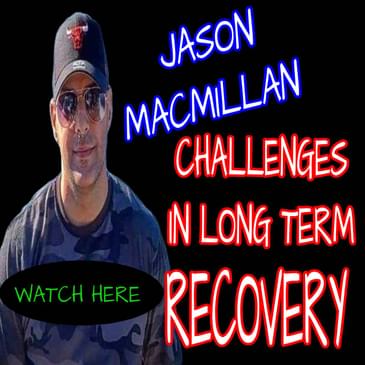


Jason is a returning guest and friend to the platform. We talk about some of the struggles in long term recovery, some of the stigma still faced by people in the “rooms”, and much more. For links to watch/listen on all platforms, and for more about FAR, visit www.a2apodcast.com/252 Title Sponsor: FAR Canada (Families for Addiction Recovery)
Special Sponsor: Yatra Trauma Centre
[00:00:00] I'm the number one offender of relapse, resentment, you know, which is going to go to 100% today. So I talked to Ryan last time about this too and I said, Hey man, like, as we were talking,
[00:00:11] I'm picking up a lot of resentment right now, you know, and I don't, this is not good. And because what I'll do, I'll start pushing people away and start building cases, you know, and like that's, so it was Jason McMillan, he's today's guest and he's been
[00:00:24] on the show a few times before. He's always got some really insightful things to say. This time we kind of talked about some of the challenges about being in recovery. And of course he's in
[00:00:31] long-term recovery now and some of the challenges that just never go away. So it's a really great episode, especially for anybody that's in long-term recovery and looking for some insight. Hey, if you like our content, if you could just do me a quick favor and go ahead,
[00:00:45] like comment, share, smash the subscribe button, do all the things that you know you need to do. It really does help us to continue spread the message. As a matter of fact, there's nothing you can do that's more helpful. So I really appreciate every single
[00:00:54] interaction. Today's title sponsor is FAR Canada. That's families for addiction recovery. They are a nonprofit organization in Canada and their focus is on the families of people who suffer with addiction. And just like us, they believe that that's the best way to help people that
[00:01:06] are in addiction is to help people around them. They offer group meetings for people who are in similar situations. They also offer a helpline that's available kind of during business hours. You have to check out the website for those hours. And as well, of course they have their
[00:01:18] peer-to-peer support system, which is absolutely amazing. In the background, Angie Hamilton, the executive director works tirelessly advocating for changes that they would like to see on a systematic level. And I couldn't appreciate her more for doing those things. Hey,
[00:01:31] hope you enjoy the episode guys. Thanks for watching. Hello everybody. Watchers, listeners, supporters of all kinds. Welcome to another episode of the Ash Stosser podcast. I'm your host Chuck LaFlandre checking in from crabby Thailand halfway around the world somewhere in
[00:01:42] the greater Vancouver area is my good friend and guest for today, Jason McMillan. How are you doing today, Jason? I'm not bad Chuck. How are you? I'm good. I'm good. What part of the world
[00:01:53] are you in out there again? It's not Surrey right? No, it's not Surrey. It's actually Mason. Mission. Okay. Oh, you're a mission. Oh, okay. Okay. I didn't realize right. Okay. Territory. Yeah. Okay. Okay. Right. To me, it's all Vancouver, right? Still,
[00:02:05] even after being there a dozen times. Yeah. Yeah. Yeah. Yeah. So yeah. Listen, you know, we're talked for quite a bit pre record as we tend to do. There's a bunch of things that we can get into and for anybody that's not familiar, Jason's been on the show
[00:02:21] three times now four times, three or four, right? Yeah, I think three. Yeah. Three, three, two weekend rambles. And if you want to go back and just search Jason on our website at hwapalecast.com and you can listen to and watch a couple of those. So we don't,
[00:02:35] we're not going to get into your story. We've already told that there's so much to be told in the recovery world. One of the things that I want to, I want to touch on, we kind of talked,
[00:02:45] we started to talk about when I, when I hit the record button, Jason is how we treat ourselves and specifically asking for help. Right. And how hard that can be for, you know, for all sorts of different reasons and nuances in different situations. If you want it, like
[00:03:03] if you, if you want to jump right into that where you're at right now, and you can kind of use that as a bounce off and we'll go from there. Right. Yeah. Yeah. Yeah. No, it's,
[00:03:12] yeah, it's funny because we were, you know, I think we're talking another day and even on the, you know, the episode that, you know, Ryan just did and how important it is to ask,
[00:03:21] to not only ask for help, but to take those suggestions that people say, you know, so I can ask for help. And he says like, if I'm not going to take the action, nothing's probably gonna, you know, nothing's going to change. Right. So when we talk about
[00:03:36] like, I like to think I'm pretty, you know, quite self aware. I can be aware of all these things. I was aware if I, if I smoke fentanyl is going to burn my life down, but I couldn't,
[00:03:44] didn't stop me from fucking smoking fentanyl. Right. So, you know, today and it's like, I'm not smoking fentanyl, but very much I'm, I'm capable of burning my life down clean and sober with five years. And I've actually been doing a pretty good job of that,
[00:03:58] you know, and it, I think a lot of it, a lot of it comes from, no trauma is definitely a part of it. Codependency is a part of it. My ego definitely gets in the way sometimes because like,
[00:04:12] so what happens is unfortunately when you guys talked about, I think you guys might talk about these pedestals, right? You know, so I myself even, I do that with some of the people
[00:04:25] I know in my life and some of the people that aren't here anymore. So I almost separate them and I have this unrealistic expectation of them that they're fucking Superman. And, and you know, there's a go to, they always have the solutions, always have the answers,
[00:04:38] but it's like, who do those people go to? You know, and so I think that's one of the reasons why I've been able to stay remain, you know, clean and sober is because I have
[00:04:51] just enough, just enough willingness at those times when I need help, I fucking reach out and ask for help. And just because people are clean and sober doesn't mean everything's great all the time. That's absolutely false. And I think Chuck, these are the conversations
[00:05:04] we need to be having, you know, about some of the internal battles and struggles in it. Yeah, so no kidding, right? And specific to just for viewer reference, we recently did an
[00:05:18] episode with one of my co-hosts, Ryan Baffgate, very good friend of both of ours, a big part of our recovery community as well, right? For both of us who experienced relapse and had to admit
[00:05:27] to himself that ego is the thing that got in the way. Which I mean, was quite obvious, I think, well, especially after the fact, right? With the benefit of hindsight, but how hard that is for us for helping and he put himself up on a pedestal.
[00:05:41] We put, we put everybody up and there's people in your life who put you on this pedestal. Yeah. Right? Without a shadow of a doubt, your sponsors, you know, other people in your world,
[00:05:50] right? Who think that you're indestructible. So when it comes time for you to say, hey, I need help with, right? And how hard that is for myself, bro, I'll tell you something. It's,
[00:06:00] I was really thinking about this the other day. I tried to make it real and I couldn't have it. It's just something you have to have a conversation about, but the kind of help that, you know, I need these days specifically is a little different
[00:06:11] and that ebbs and flows, of course, like anything else in life. But so I know my mom is not like, she will help me financially when I need it. Like to the point where I can take,
[00:06:22] I can almost take that for granted if I'm making good choices and I'm doing like, you know what I mean? I'm living responsibly, I live in a simple life and I need help. I know she's going to, if she is able to, I know that for a fact.
[00:06:34] Yeah. Process. And here's where the relatability part comes into the process for me to ask for help, to go from the point where I decide I need the help and I'm going to ask her to actually asking is days. It involves unsent messages. It involves an
[00:06:51] emotional roller coaster. And these are the things that I'm sure you can relate to, right? Like I need, you know what I mean? Like I need to ask somebody for mental health help. I need to ask a sponsor for whatever it is. Right? There's a fucking process.
[00:07:04] Why is that? What does that to somebody? You know, it's, I think for me, like again, it's, if we want to circle back to ego and pride. So when you ask, it's funny because
[00:07:16] if you ask a lot of people what was the thing that made you relapse? It was like, oh, it's like the drugs and alcohol. The relapse started fucking months before that. For me, it did at least, right? I stopped asking for help. I stopped doing the things.
[00:07:29] I put myself up on this pedestal. I got the end all be all. Like I knew everything because I was Jason with one year sober. I stopped learning. I stopped growing and
[00:07:37] there boom, and there I am picking up. So you know that, that to me it's scary how quick the insanity can return and obsession can return to, I think it's a good idea to pick up
[00:07:47] substances. You know, I don't like the way I feel about myself right now and I know how to change that. So it, and again, it's confusing, Chuck, because like we talked about too, so inside the rooms of, you know, 12-step rooms, there's a lot of unfortunately
[00:08:05] best intentions, but they don't always know what the fuck they're talking about. You know, so people will be very quick and that's one of those people to weigh in when it comes to mental health who are really unqualified and uneducated and say, oh,
[00:08:16] if you suffer from this, just do this. You can't talk about that. And very much there's still stigma attached to medications, you know, to mental health, to trauma. I had somebody tell me, let's do a step four for my trauma. It was crazy, absolutely crazy, right?
[00:08:32] Knowing what I know about trauma now and of course have been lucky enough to experience the Yachter Trauma Center and all of the things that I got to experience there. The idea that a step anything, that doing anything outside of working on your trauma with
[00:08:46] intent in a therapeutic environment is going to do anything blows my mind. Hey, before we get too far into the episode, gotta mention my special sponsor. Of course, that is the Yachter Trauma Center here in Krabi, Thailand where I reside. They offer trauma therapy to all
[00:09:00] sorts of different kinds of trauma, big T traumas, little T traumas, all the traumas. They do it very, very, very well. Completely changed my life when I went there for their residential treatment program. So check them out guys. You can learn more about them. And of
[00:09:10] course see all the episodes that Mike Miller, the head clinician has come on the Ashes to Awesome podcast or at at a2apodcast.com slash trauma. Back to the show. Just the concept
[00:09:21] of that. It's just, it's an unacceptable thing to even say to somebody in my opinion anyway. Yeah. And again, like I don't know, we'll probably, we're probably talking about this.
[00:09:34] I don't know if I want to, it's, you know, you and I were talking the other day and I was actually talking to a good friend of mine, Brandon. And I never really heard anybody say
[00:09:43] that before. And what he said, he said, I by far experienced more trauma since I've been sober than I did in a day. No doubt. Right. I shouldn't say that. No, for me, it's just different. It's not more, it's not bigger. It's not smaller. It's just different. Right?
[00:09:56] Some of the things that have been said to me by family members, you know, about my past. Oh, right. Not, not just hurtful, but traumatic. Right. Because now your behavior is going to change. You know what I mean? And looking for your, your addict brain is
[00:10:12] always looking for something for some damn reason. You know what I mean? So now you're feeling shame, which is, which is that's a traumatic, that's a traumatic thing too. Like I said, it's a trauma response. Right. Yeah. A hundred percent. So yeah.
[00:10:24] Yeah. Yeah. Yeah. You know, I think it's a matter of we need to go to the right people for the right help. And sometimes I'm, I get confused and I get overwhelmed. I'm like, what,
[00:10:34] what do I, what am I experiencing right now? Why is it here? And who do I go to? So can I, can I ask you specifically, we've talked pre-record, but can I ask you specifically
[00:10:43] what that struggle is for you right now? Yeah. Yeah. So, you know, for me, Chuck, it's, you know, I'm at this place where I'm, you know, I've been sober for five years, but I'm still having my, myself. So it's basically, it's been, you know, pointed out
[00:11:02] to me in a very kind and loving and caring way that, you know, I probably suffer some mental health that's been undiagnosed and I've ever had, I never had a proper mental
[00:11:10] health assessment. You know, so I get confused and I go always back to what they tell me inside the rooms and what I know about alcoholics anonymous that if I'm feeling, you know, discomfort or if I'm, if I'm being impulsive, I need to pray more,
[00:11:24] need to meditate more, need to do more service work, all the things that we do. And it's just like, I've been fucking consistently doing all these things for a while now. Right. This stuff is still here. So I need to go to the right. So
[00:11:35] my next step is to go and get an assessment done, you know, and see if I have any disorders. And I'm pretty sure I do. Yeah. I'm diagnosed and we'll go from there. Right. So that's
[00:11:46] what I see what's going on. So that naturally leads into the next thing to talk about. It's something that I've been very vocal about lately on the social media platforms is medication and sobriety and specifically in the rooms. Yeah. Right. And how that looks.
[00:12:03] Right. So, and we did talk about that. And I mean, it's something that you said that you've been vocal about. So I think I'm comfortable kind of calling you out on that and to have a conversation about it. Right. But yeah. For somebody with maybe we'll stay away
[00:12:17] from Matt for now, but the conversation may get there, but specifically let's go with ADHD. Let's go with that because it's such a common thing. And, you know, the correlation between ADHD and addiction is massive. We know that right. That's, you know,
[00:12:29] but it involves quite often. I mean, there are some non-stimulant options, but most often it involves a stimulant. Yeah. Right. Which does involve amphetamines. Right. Yeah. So the stigma behind needing that medication or behind taking that medication
[00:12:47] and even needing it in the rooms. And I'm not, I'm not, you know, as you well know, I'm not a 12 stepper, but you are. So I'll let you speak to how that looks when somebody
[00:12:57] says they need it or says they're on it. How does that look in the rooms in your experience? Cause every meeting is going to be different with different souls, of course. Yeah. It's, it's, I would want to say there was a lot more awareness now in 2024 as there
[00:13:10] was like in, you know, 1939, whatever when, when the big book was written. Right. But it, it's very much, you know, a thing there's very much stigma attached to, you know, certain type of, you know, O therapies and methadone and, and, and all that stuff. And I,
[00:13:23] you know, I have some of my own, you know, beliefs when it comes to that. And those are personal, like to me, I need to be careful not to project that on other people when it, when it comes to,
[00:13:33] and then even myself too. So probably four years ago, if, if I, I think a lot of it for me is like fear-based, right? If I take this medication, people are going to think that I'm
[00:13:44] not, I'm not abstinent or I'm, I I'm doing it to med seek or like whatever it, right. I'm trying to alter my mood. Like I know for me, it comes down to, first of all, it's really not anybody's, you know, business what medication people take,
[00:13:57] you know, and, and with that being said, if I had like, you know, a sponsor or something like that and I'm having a conversation with him, he's nodded off and his eyes are pinned
[00:14:05] to the, Hey man, like you might want to like, you know, talk to your doctor. At least be aware of everything. Right. Yeah. Totally. Of course. Yeah. And yeah, I think, I think struck a lot of it is, is this like ignorance, right? And we need
[00:14:16] to, um, and again, even for me, I'm scared to put a substance in me if it's going to be, you know, um, like, yeah, sometimes prescribed from a doctor, but for ADHD, because I really don't want to change. I don't want to alter my mood. So my, my,
[00:14:31] my mood, but at the same time, I want to have like a better life. And if this, if, if this is affecting my, my life, which it seems like, you know, clearly it is,
[00:14:41] I need to, you know, take a look at that. Right. So I'll just pause either. I don't want to alter my mood, your quote, but yeah, you do. Right. It's exactly the thing that
[00:14:50] you want to alter. Right. Or at least your state of being to a place where you can enjoy that. Right. Like, you know, I'll rephrase that truck. I don't want to like intoxicated, right? You know, maybe intoxicated or not. Like, I don't want to feel like, oh, weird.
[00:15:05] Like I just did, you know, like math or something like that. Right. Like, yeah. Yeah. If that makes sense to you from personal experience, the first time I took a medication
[00:15:14] for ADHD, when I was still in Canada, it was like, it wasn't euphoric. It wasn't any of those things that, that, that I experienced, you know, during my math days. I'll tell you what it was
[00:15:24] though. It was relief. Yeah. It was, it was not just relief. It was, it was a break from the chaos that is an ADHD mind, right? Yeah. From the overthinking and the task paralysis
[00:15:41] and the, like the amount of shit I could get done all of a sudden, because I wasn't so wrapped up in this craziness that's going on inside my brain for somebody to tell me
[00:15:51] that that is a negative thing. You can just fuck right off at the end of the day. Right. One of the most hurtful things that has ever been said to me in sobriety,
[00:16:03] I said it to a close family member, you know, I got some medication and holy shit. Oh, I'm not in it. I'm not a medication person. So, you know, I think, what do you think? What do you, do you think if I break my leg,
[00:16:13] I should just walk it off? Because it's the same thing, right? Like it is, it's, it's, you know what I mean? But you're not experiencing what I'm experiencing. And if you were, trust me, you'd be a medication person.
[00:16:26] Like you said right there, that's one of the biggest things is like, you don't know the internal fucking battles and struggles that I have right now. Right. So until you know, don't fucking talk about it and don't tell me what you think I should do or shouldn't do,
[00:16:36] you know? Here's the thing. Nobody's ever going to know. I don't know what you're going through because I'm not going through it. Even though I've been through something similar, even though our journeys have some parallels, the ADHD thing, especially in sobriety,
[00:16:49] I'll never fucking know. And one of the smartest things anybody ever said to me was, I understand that I will never understand. Yes. Yeah. And I'll tell you the first person that said that to me, I could have married her right there on the spot. Yeah. It's just
[00:17:02] like, where have you been my whole life? It was just the most like, Oh, somebody gets it. Right. Yeah. Because you felt heard right? Yes. Yeah. Yeah. Yeah. It's funny. It's like
[00:17:17] what we talked about too. So yesterday again, I reached out to somebody who I know in sobriety, who I respect quite a bit. He's been sober a while and somebody in mutual friends connected me with her and she suffers with borderline personality disorder. I don't want to say
[00:17:33] suffer. She's been diagnosed with borderline personality disorder. Yeah. Yeah. So for the conversation that we had, we talked about her experience with that and having it being uncreated, undiagnosed, and she kept on burning her life down completely sober.
[00:17:46] And it wasn't until she got the proper diagnosis, the right therapy that she was able to kind of like, yeah, I guess manage it if that makes sense. I don't know much about it.
[00:17:56] But so again, I felt when I talked to her, like I felt heard. I didn't feel judged. I didn't feel ashamed anything like that. And he as able to connect with her and said, Hey, this is what
[00:18:08] I'm experiencing right now. And sometimes I think people like we talked about too, like, Oh yeah, everything's all great. And like this and that we go to meetings and people see us and we're happy and we share these powerful messages. I think me myself, I think
[00:18:24] sometimes I put myself in a pedestal. If I'm being honest, I feel like other people do. And there's this almost like I said, like an unreal expectation that I need to make it sound like I
[00:18:32] have it all together. But the reality is that I don't, you know, I can, if I can relate to anything you will ever say that is now because I've got a little bit of time and I'm still
[00:18:42] under two years, right? Because of what I do for a living at the podcast and social media, there is this perception people have. And it's like, Oh, you only knew,
[00:18:51] right? You see me for a minute at a time or an episode at a time, right? If you saw what happened in between. Totally. And that's the thing, Chuck. There's actually a part in the,
[00:19:03] I don't want to turn this into like a big book study, but there's, you know, there's a part in the big book where it talks about how we have this alcoholic, alcoholic addicts, whatever you want to call it has this stage character, right? So it's very much our
[00:19:14] persona. It's our ego. It's this, this, this illusion that, that this is who I want you to see, you know, and that's the thing that keeps us loaded and keeps us thick and keeps us in
[00:19:25] building same. And we're not, we're, I'm not connectable when I'm doing that. People can't relate to that. Right? And I don't want to, and I, I, I see it too. I witnessed it like firsthand and you know, people inside like the room. So I asked him how they're
[00:19:38] doing. Oh, I'm great. And then they give their service resume. And I was that guy, that guy too. And look, I didn't ask you how many fucking meetings you went through. I asked
[00:19:44] actually how you're doing and people would ask me and I felt the need to tell them all of these things. But inside this thing, that's not how, you know, to be honest, like I feel,
[00:19:53] I feel like I have a big fear of being alone, have a fear of abandonment. I feel ugly. I feel fat. I feel insecure. This is the shit that's going on with me right now,
[00:20:02] you know? And I think this is the stuff like we need to talk about. It's okay. Absolutely. Yeah, it is. Yeah, it is. You said something when you're speaking about speaking to your friend about, you know, the things she's gone through with her,
[00:20:15] with her BPD and maybe some of the things that you need to address. And there is nothing anybody can do to convince me that you feeling heard and you coming out of that conversation, feeling just a little bit better about what your future might look like
[00:20:31] is a hundred times better than anything different than that that might happen inside a room where you feel judged and shamed. Yeah, right. Like there's of course, of course that's so much better, right? So why can't we bring that into the, like this,
[00:20:46] can I come into the rooms please? Can we bring that attitude in where we're not judging people and shaming people, right? And that's like the whole thing, Chuck. And one of the problems is too, is that by the time, you know, for most people, especially women have
[00:21:00] made it into the rooms of AA or NA, they're so vulnerable. They're looking for a safe place. They want to be heard. They already feel the shame, the judgment, the guilt. We don't need
[00:21:11] to perpetuate that and add to that by, you know, so there's supposed to be a safe place and it's not always the fucking safe place, right? And I even, I sometimes don't feel safe in there. Like, I feel like when I speak on mental health, on trauma,
[00:21:30] I can feel the judgment sometimes. You know, some people get it and they'll nod their heads and others there. And it's that, like again, like I think they're just really ignorant and they're not educating themselves enough about this. They're trying to understand,
[00:21:43] right? So it's like, that's the shit that's going to keep people out of the fucking rooms, you know? Yeah. And like we've talked about, when you take that fucking sense of community away,
[00:21:52] the one place people can find fellowship easily, when you take that away, you are, you are, quite often we know what that leads to, right? That person goes back out and now these days
[00:22:04] it's very different than it was even 10 years ago. Even fuck, well, 10 years ago for sure people die. And that's just the reality of it, right? It's a dangerous thing to do. Yeah. It is driven by ego. I believe. Yeah. When somebody shames you, it's because
[00:22:22] their recovery path, what worked for them has to work for you. But that's all ego shit, right? And so one of the things I've come fond of saying is if I'm judging somebody else's recovery,
[00:22:35] I need to start taking a hard look at my own. Yeah. Right. That is the moment when I need to take a step back and really look at myself because that's ego, right? That's
[00:22:45] all it is. You know, it's, you know. Yeah. And if I'm just going to be completely transparent and honest, cause like, well, you know, we'll, we'll do that. I find myself doing
[00:22:54] it too. I was at a meeting the other day and this, you know, this guy, he was coming back. He said, you know, I'm coming back and, and, um, you know, he opened up the meeting. Um,
[00:23:03] I have my own opinion on asking somebody to open up the meeting when they're, you know, basically going no crack hoot, but none of that. So nonetheless, um, yeah, you might, might want to listen, right? So, but I found myself, you know, he went on the fucking
[00:23:17] long rant for 50 minutes about the problem, but that's the chairperson's fault anyways. Um, so I found myself judging him though. I found my, you want to shut up and like, you know, let people speak and have been through the process that talk about the solution. So
[00:23:34] then I, I kind of, I tried to correct myself though, man, and that was all ego, 100% was what that was. Right? So I just go back to how many times I went inside the room,
[00:23:42] not tying on heroin and had no problem sharing. And now I have an opinion on this guy because he hadn't been through the 12th depth yet. He's coming back that he's not carrying the message of recovery, you know? Right. That's, that's the truth, right?
[00:23:57] Well, you call yourself out on it and that's, that's, that's a huge, I mean, that speaks to who you are as a person and certainly, you know, your recovery. Um, yeah, I just, in my experience, and I don't know if you know this or if we've ever really
[00:24:11] talked about it, but the reason I never went back to the rooms, I don't know if I ever have told you about that, right? I relapsed. And then after I, my first 30 days clean ever,
[00:24:21] as an adult never had that before and I'm in my forties, right? So I get 30 days clean under my belt at 34 days. I relapse the idea of going back to zero and facing that. The shame
[00:24:32] of that is why I never went back. Yeah. Which is that's not a problem with 12 steps. That was a problem with me and with benefit of hindsight, but I was a sick person.
[00:24:43] Right. So, and people, well, that's your own no. Yes, it's my own fault, but they're sick people. You have to adjust your behavior to the fact that sick people are around. So maybe try not to attach so much ego to that. Try not to, you know,
[00:24:59] Yeah. And, and, and that's, and that's a thing truck too is that like, you know, the only requirement for, for NA membership or AA membership is desire to stop using substances or drinking. So that just means that the, that's only requirement to be there. So anybody can go
[00:25:15] inside the rooms, right? Let's just be honest. There's some sick people that end up in the room. They do, you know, why you get there, you don't, you don't show up there for the first time
[00:25:23] because you're healthy. No, I wasn't like, Hey, like my life is going so good. And it's not a pop in and say, Hey, did you know? And it's like, yeah. And it's, but again, it's,
[00:25:33] I'm super, I'm grateful for the people that were, you know, that, that, that, that were open and that they, like when I came in, like, Hey man, like, you know, how you doing? Welcome. Right.
[00:25:42] That's what we need more of, you know, and that's that, that you're talking about, right? Like it, and they're there, you know, you just have to find them. Yeah. Yeah. And it's so important. Every time I say anything that isn't wonderful about 12
[00:25:57] steps, I feel I need to qualify it. Which by saying that is some rooms, that is some people in some rooms that is not the program that is, you know, and all the things that we're
[00:26:08] talking about, right? I did an episode with Mike Miller. I can't think of the number. Maybe I'll look it up here while we're talking about it. He spent an entire episode defending the
[00:26:18] fundamentals of 12 steps. I don't know if you got a chance to listen to that one or not, but it was amazing, man. He like, basically he said the problem is not with the people or the problem is not with the program. It's with the people. Yep. Right. 100%.
[00:26:34] It is. So, and again, that's one of the things. And unfortunately, like sometimes L cox anonymous, nor cox anonymous gets a bad name because of the people, not the program, the program works. We know that we can look at the statistics, right? So we can't really
[00:26:47] argue that. But so if I knew and I'm going to the room for the first time in my experiences, I somebody's laughing when I was sharing or they were, you know, they were judging me
[00:26:58] or claiming me or whatever for this medication or whatever it might be, right? Like that's gonna be that sometimes people's experience. So that will represent not the person but narcotics anonymous or alcohol anonymous. And that it's not necessarily true. I always try
[00:27:12] to, it was said to me that, you know, so whenever I was out there and I was like, dope sick. And I was like, you know, trying to, you know, seek heroin if I couldn't find it.
[00:27:22] Did I just stop at one dealer? If you had some shitty heroin, if I couldn't find it, like, no, like I kept going, right? So if I kind of bring that attitude in the recovery,
[00:27:30] you know, find whatever works, right? Find the medium that you like. And there's tons of them, you know, but it is really unfortunate that I feel that those fundamentals have been lost. They have been in so many instances, right? By the way, that was episode 224 for
[00:27:44] anybody that's curious if you want to go back and listen to that. Mike is one of the most, he's coming up on five years here in a couple days on the fifth. It'll be, sorry, on 21 years
[00:27:53] for him. That he's been sober now, right? He's actually, he answered the phone when Devon called in. Right. You know? Yeah. So Devon McGuire for anybody that's not, you know, and you know what, why don't we move into the next thing here, next topic, and that is grief.
[00:28:10] I think now that I've said the D word, you know, there's some grief there, right? So how do you not? For anybody that doesn't know, Devon McGuire was an institution unto himself in the recovery world. He's helped more people than anybody will ever know, more people
[00:28:31] than he would ever know just in his existence. He was just the most amazing human being, and he recently passed. And you know, we lost the big one there. And there's a lot of grief
[00:28:44] happening right now in your part of the world, in all parts of the world. Here in Thailand, you know, like there's even that, there's me, there's Mike, there's the interventionist, I can't think of his name, you know his name. Andy Batty. Andy Batty, right? These are all
[00:29:00] people that are very close to him, right? Lisa in Calgary is absolutely devastated by the loss, you know, yourself. You were very close to him, Ryan Baffgate, very close to him.
[00:29:11] And these are just the people I know, and I've only known the man for just over a year, you know, right? So, you know, the world lost a really, really good one.
[00:29:21] And how does it look for you? And I don't know how much you want to get into this, and I'll let you pull the pin when it's right for you to pull the pin, man. I can see you're
[00:29:29] getting emotional now, and I appreciate that. Yeah. How does that affect you in your sobriety journey? Yeah, so we were, it's funny how things can shift, that we're just having, you know, these conversations as soon as you said Devin's name, like right away, like my eyes,
[00:29:50] well done, right? And I think naturally I wanted to, I want to try to maybe that emotion, I would say, I don't know if you call that ego or call that what fear of being vulnerable, but it's fucking tough, man. It's tough. It's by far the hardest,
[00:30:13] I would say, loss I've experienced in my life. Devin was my, that was my go-to guy, my man for a good reason. Devin impacted so many lives, even people that he didn't even met, you know, his family sleeping at night because of what fucking Devin did, you know?
[00:30:29] Exactly, exactly. Right there. Yeah. And something like that. I've had a lot of losses. I've cut people out of my life when I heard the news about Devin.
[00:30:45] It, yeah, I was wrong. I'm like, what the fuck am I going to do now? What am I going to do now? Yeah. You know, and so like to answer your question, it's been really tough. It's just been,
[00:30:59] yeah man, that was a big one. I didn't see that one coming. I felt like I lost, like, you know, part of me just like fucking like died, right? And Devin was the guy,
[00:31:05] because I had to have some dark days since I've been sober and Devin was always the guy to believe in me. He always knew what to say at the right time. He always made me feel,
[00:31:13] you know, heard and he was always the first man to talk. It's like a superpower of his, you know? He was just so big. That was his gift. Devin had this gift. He had this unique ability to
[00:31:26] build people up at the same time. Like Devin was, Devin would tell you, Devin wouldn't, wouldn't, you know, if you were, I'll just say like for me, if I was kind of going down,
[00:31:37] he saw me going down like a dark path and making some horrible decisions because I clean and sober because fucking definitely that, you know, has happened. He would, he would be the one
[00:31:46] to tell me like, you're going to stay sober, but you won't stay sober if you continue to fucking do this, you know? When he would still give me, tell me what to do. He always told
[00:31:56] me what to do and it worked. Everything that Devin fucking told me worked, you know? And I'm not, without Devin, I'm not here today, you know? So I fucking love Devin and a lot of
[00:32:07] people love Devin and, you know, I go back to, I've been doing like a bit of, I've been prior to Devin like learning about the different stages of grief and more about that process, right? And a lot of times I find myself getting angry. I find myself, I've
[00:32:23] drifted into guilt sometimes about maybe if I would have said this or I might have said that and it's just like, this isn't, but, and I want to blame people sometimes too, if I'm being
[00:32:32] honest. It's like, fuck you man. Like we're, you know what I mean? And or blame addiction or blame mental health. And it's like, the reality is that none of that stuff is going to
[00:32:39] serve me, you know? The reality is that we lost somebody. We lost an amazing fucking human and Devin, you can't duplicate Devin. You just can't, you know, when- No, no, you can't. Right.
[00:32:55] So I know that his kind of legacy will like, will live on forever. And what he did when when he was here, like that rippled through the whole community, you know? And again, when he passed that ripple through the whole community and I,
[00:33:13] Devin was always about helping others, helping others, helping others, you know? Well, this show may or may not exist today. Right? He came on as a sponsor in the very early days, long before there was any win to him, any gain for him. You know, he came on
[00:33:30] as a sponsor and I could argue that there might not even, we might not even exist. Most certainly not in the state we're in because he introduced Lisa and I. He's just like, you know? Yeah. You know? So yeah.
[00:33:43] I am and so Tux though it's funny because like we throw the word gratitude around. Well, I throw that word around quite a bit. Right? So is this like where for me, it's usually say I'm grateful. It's either gratitude's under the stone right down to
[00:33:55] gratitude list when things are going great. Right? It's whenever the rug gets pulled out from under us, what's that fucking just happened? Where's my gratitude down? You know? It's the time they're most important and yet the hardest to do. Right?
[00:34:08] Totally. I'm trying to like, I don't know if he's making sense of all of it, but I'm just, I'm grateful that I was able to have that relationship with Devin while he was here,
[00:34:19] you know? And I always have that relationship with him. You know? I talk to him, you know? I said, what would Devin be seeing right now? I said, Jason, you fucking idiot. Don't do
[00:34:27] that. And he would say it just like that. Right? Yeah, for sure he would. Yeah. You know, Devin's a little rough around the edges sometimes. Right? But his heart, his heart was in the right place. He generally just wanted to fucking, you know, see people
[00:34:40] get that well. Right? And, you know, big time, big time, big time. When you lose somebody that close to you, especially somebody that's a big part of your recovery community, specifically to that. And maybe like really it's one thing, you know,
[00:34:54] the loss of my father drove me to recovery. Not, you know, it didn't make me want to burn my life down. Not like a lot of resentments or other negative feelings do anyway. But when it's somebody
[00:35:04] in your recovery community and not just in your community, but one of your support people, like one of your big support people. Yeah. How does that like, how does a person stay sober
[00:35:13] through that? You know what I mean? Right? Yeah. And that's the thing, like, so to be honest with you, Chuck, and like I was saying, even, you know, when, when, you know, Devin was
[00:35:24] was still here. Like there were some pretty dark times for me, you know, in sobriety. And I'm like, I don't know if I'm gonna, if I'm going to make it through this, you know, that's what
[00:35:32] my head would be, would be telling me all this, like doubt, you know, and Devin was always good with, with reeling me back and seeing like Jason provided, you continue to do the
[00:35:39] same things that you will stay sober. You will get through this. So then all of a sudden we lose Devin and that was different, you know? And, and that was like, those are times
[00:35:49] when I didn't, I didn't know. And I still were, you know, it's pretty recent where I'm just like, I don't know if I can, how I'm going to navigate this because when my go-to person
[00:36:03] is, is, is taken away, he's no longer here. I just, I felt lost. I feel lost sometimes. I still do, but so it's not down to your question that I, this is when, cause I could,
[00:36:16] I could easily like just like give up right now and just say, fuck it, say, fit Matt, you know, when everybody would be, oh yeah, well it's almost like, I don't want to say like an excuse, but at the same time is like, I have,
[00:36:27] I have a choice right now. And if anything right now, I really need to dig in and be doing things in careful, you know? Cause like naturally what I want to do is put people
[00:36:36] away. Cause I'm like, Oh man, this is just like, and reinstill what your head always, you know, tells you what you believe that you're just going to be alone. You know, people are going to die. You're gonna all that abandonment stuff and blah, blah, blah, whatever,
[00:36:48] not blah, blah, blah. It's real stuff, but it's, I don't want that to be me. So I use, I almost use fear and I'll be honest with you. I've been scared sometimes about, you know, relapse, but I'll use that as like a catalyst zone, like a motivator demand,
[00:37:02] do what the fuck you need to do to stay sober and you will stay sober. Yeah. Yeah. Yeah. Right. And I think that that comes time and repetition and, you know, all of those things. What? Yeah. And what a dishonor that would be to Devin. That'd be the
[00:37:17] biggest dishonor. Well said right there, right? Well said that that's it right there. Right. And for me, it's, it's, it's my dad is why I don't, right? Cause you never got to see this
[00:37:28] version of me. Well, you know, I'm going to live the rest of my life in such a way, right? But yeah. And that's a tough one. Right. It's funny. It's like right when that,
[00:37:39] happened, my phone for probably a week and definitely the first few days got lit up with, with a lot of messages, a lot of phone calls, you know, and, and it was a little, it was
[00:37:51] over. The whole thing was really overwhelming for me what happened. I'm still in shock and disbelief and in denial trying to say, no, like this can't be, you know, negotiated and wanting him like he needs to, I still find myself saying that he needs to be
[00:38:04] here right now. You know, that wasn't supposed to happen. Let's move into the next thing. Can I get you to move towards center of the frame? Just go to your right a little bit. Thank you. Yes. I keep me in it to ask you that,
[00:38:15] but I haven't wanted to stop conversation, but now that I'm going to get this out anyway. So yeah, eight minutes, eight minutes. Just got to make a note of that. So, okay. What do you want to talk about next buddy? Yeah. I've, you had some things like I'm,
[00:38:29] I've got things off the top of my head always, but you had some things written down or whatever that you wanted to discuss. So I want to make sure that. Yeah. Yeah. Just let me take a little quick. I got it in my notes there actually. Yeah.
[00:38:40] What's the, okay. So what did I have? That's the whole harm of that, right? That's that. Oh yeah. We can, we can get into that. That's completely taken out of context, I think. And where I wanted to go with that
[00:38:53] is yeah, we meet people where that, but we don't leave them there, which I think that we're doing a good job of. Yeah. Yeah. Pup Confusion Sorted. You guys have talked about this a lot. We don't need to get into that.
[00:39:03] Like the mental health act. I don't think we need to talk about that. No, no. We've got, we talk a lot about that. So not too much about it, but. Grief is in here. I feel like you guys have already talked.
[00:39:14] Safe Supply Note. I feel, I don't know, man, I feel like this one would be like a whole another one. You know, again, what you and I talked about how it's easier to get drugs than proper help. We also, yeah.
[00:39:24] Yeah. You want to know what was interesting with you, you talked about it too. If we're giving out, if we're giving out harm reduction in pipes and rigs and all this stuff and
[00:39:33] in a lot of content, but great. Yes. They saved lives. We need to, I feel at least be talking 50 50 about both not, not 98 to. Absolutely. You know, so. Yeah. Yeah. I'm just, give me a quick second. I'm just going to look at
[00:39:49] where we're at. I can't remember what the first cut was for time. So 33. Okay. Okay. So we're doing okay. Eight minutes. Okay. Cool. I'm going to let's jump into the step into harm reduction. Yeah. Cause we, when we talked about that, that it
[00:40:06] should be a flaw, right? That we have to, if you're going to pass out anything harm reduction, it should have something recovery based on it. Right. You know what I mean? Yeah. Anything. Yeah. So, yeah. Okay. Okay. So, so next up, Jason, what I
[00:40:22] do want to talk about is a harm reduction, of course in your part of the world. It's kind of the, the case study for harm reduction and in some people's minds, where it goes too far, right? You know, not that it goes too far for the people
[00:40:39] that need it, but that it's used as a blanket solution. Maybe that's a better way to put that. Right? Cause for some people, the extreme end of harm reduction is exactly the thing they need. Right. For other people it's not. And, um,
[00:40:54] to segue from Devin, Devin is the one that really opened my eyes to something about harm reduction by saying that we use it to, to form policy. We base full policy on, on a very small percentage of people who
[00:41:07] are in active addiction, right? That's the people in these tastings and in intensities all across North America now. We're basing our policies on them when in reality, the vast, vast majority of people that are in active addiction
[00:41:20] aren't in that situation. Yeah. Right. And a lot of those people, it could be argued end up in that situation because all the energy goes to harm reduction instead of treatment. Yeah. Right. You know, right. So, um, and of
[00:41:36] course your work is in harm reduction, you know, right? Yeah. Yeah. Yeah. So how is that for you? Cause I know personally what some of your views are and we can kind of, well, I'll get you to say that in a very
[00:41:50] generalized, you know, kind of condensed way, what your views on harm reduction and abstinence are. But I want you to end that with how does that affect your work? So go. Yeah. So I don't, I wouldn't come up, you know, harm reduction, abstinence stuff, right?
[00:42:10] And again, like we talked about before, like they're not, they're not, they're not opposing. They need to work together. They, I feel like they work together well. I feel like, you know, harm reduction has a place in abstinence recovery, abstinence recovery. Um, like that word harm reduction,
[00:42:24] I feel like it's taken on a context sometimes, you know, and, and I don't, like what you just said to Chuck, I think I feel like in, in, in BC we've leaned heavily onto this one thing that clearly isn't working on its own.
[00:42:38] It doesn't, you know? And so that's, um, it has its place, but I think that, that if we're going to be talking about harm reduction and keeping, you know, and this is like another thing too, right? And, and again,
[00:42:55] this term gets taken on a context. We meet people where they're at. Like, what does that even mean? What does that mean? Okay. Where's they're at right now during the grips of addiction, they're overdosing, they're
[00:43:05] at risk there. They have, um, you know, wounds that need to be treated, all the, all the things that associated with it, right? Super vulnerable, like committing crimes. So does that mean that we leave them there? And I feel like that's what we're doing, you know? And it's
[00:43:19] like, if I'm going to hand out, if I'm going to hand out supplies to some, you know, clean needles, you know, meth pipes, all the things, then I feel like we need to also be talking about abstinence and, and,
[00:43:32] and it needs to be in the conversation, you know? And again, it goes into like this whole thing where, oh, well they need to choose that. Well, we don't need to, I think get into that, but they're no longer excusing it. It's like if somebody is,
[00:43:47] is has a psychotic disorder, they haven't taken their medication. If they're under well, we don't tell them they need to choose to be in a hospital. They get put in the hospital. A hundred percent. Yeah, I don't, I don't, and it's just like why,
[00:43:59] why when, when, when people are dying at pretty rapid numbers and out there like suffering, we treat this, this is a unique illness. And I think that's what you guys have talked about before. And it's like beyond me. But again, it's like, where would
[00:44:11] we put them anyway? Right. And I don't think that everybody who uses substances needs to be in a hospital, you know, and that's kind of quote, like what Devin talked about too, but there is some, again, I said this, I've openly said this
[00:44:24] and I said it to an audience that maybe not necessarily carry the same belief down the stuff that I do, but I have nephews and if they're in the grips of, you know, addiction even me, even when even myself, you know, being a
[00:44:38] person with a, you know, opiate, you know, supporters of heroin and alcohol. I, when I overdose, for example, I would want someone to step in and make that decision for me, you know, and then why are you being
[00:44:50] led out of the hospital when you've just died? Right. Like why is that happening? Right. Well, I left, I left did the thing right. But if somebody would have stepped in like this guy is, is, is on well, right. We're
[00:45:00] going to keep him here. You know, and maybe it's a tricky one too, because like, as we all know, well, a lot of us know that those windows of opportunity when people have those moments of clarity are so, they're so small, you know, and whenever they need
[00:45:14] help, they need it now. They don't have three months to go on a wait list and jump through all these loops. And so it, I just need, I just need to, sorry, I think we need to like really like wake up and
[00:45:25] like look at what we're doing. And you know, be honest about what we're doing is important. You want to know what's going to work. I think it is working with what Albert is doing. It's touchy subject, but you know, right? You know,
[00:45:37] and it even then though, we don't have the numbers to back that up yet because it's so new. We don't know. Right. And that, that is the argument against it is, well, we, you know, there's no studies. There's no, but we've never,
[00:45:48] we have never done holistic mandated treatment. It's never been done anywhere in the world. No, right. So what happens is, you see, right? So we have, like we talked about too, every person is unique in a sense when it comes to their own relationship with substances and mental
[00:46:03] health that they need the right type of help, you know, so what I need, you might not necessarily need. So it's very, it's very broad in that, but we, what happens is unfortunately that we have, as far as I know, one treatment center that will,
[00:46:17] that will treat, you know, people with conferred disorders, right? With, with significant, with type of disorder, that criteria to get in there. It's not easy to get in. We'll just say that. What happens is they end up in some shitty recovery
[00:46:31] house in Surrey because there is those and the help that they need, they don't get, you know? So now you're having, and again, they don't put enough, there's not enough money put into, into treatment and recovery, you know? And there's plenty put into the penal system.
[00:46:48] There's plenty put into a, into harm reduction, things like safe supply, but nobody's putting money into treatments, right? No. And that's where I think Albert is doing something. I mean, yeah, there's a much bigger conversation to be had around that. I don't want to do this
[00:47:03] whole thing about mandated treatment because there's so much more we can talk about Jason. And I'm the one that did that. So whatever, but something you and I discussed offline, if we are going to hand out clean paraphernalia and Narcan kits, and I'm not for a second
[00:47:18] saying that we shouldn't do those things, right? I mean, clean needles essentially stop the spread of AIDS. Yeah. Right. Like that happened. So that, I mean, we can't go backwards on that. We can't, right? But every single time we pass somebody a piece of paraphernalia,
[00:47:35] we should be passing them information about treatment. Yeah. Right. Whether it's a phone number, whether it's whatever, right? There should be something attached to that. Yeah. And Chuck, when you talk about that, how does that affect your work? I honestly, and not even at work, I feel,
[00:47:51] this is just my opinion. I feel like it's unethical and we're doing people a disservice if we know that there's one thing over here works and it works very well based on the statistics. And we're not going to talk about it,
[00:48:02] especially if that one thing can help save their life and get them out of the suffering that they're in. We're not having a conversation about that. Why? Because we're scared to talk about it or we just want to believe what all these other people
[00:48:12] believe and overhear, like we need to have, like we have a voice here and need to be talked about more. And I don't believe in pushing people into treatment but in some obviously circumstances I do, you know? It's a tool in the toolbox, right?
[00:48:27] If we look at it that way, right? Okay. It's not going to be everything, but it's certainly something, you know? Yeah. And when we change the language, right? So that term, those two words for, that sounds super harsh, right? Because people get really like,
[00:48:42] oh, it's like you're taking away the rights and blah, blah, and we turn that into like, how about an opportunity to have a life? I think it probably lands a little bit different. Yeah, of course it does. That's what it is. Of course it does. You know?
[00:48:53] Yeah. Right. Yeah. There's somebody a real opportunity at it. A holistic treatment environment, you know? And where does the money come from? I don't know, but I know that, and Lisa's talked about this, there's studies that have been done and they've been repeated around the world.
[00:49:07] It's not some one-off in Portugal, right? Or in I think Denmark, no, not Denmark. Yeah, Denmark is the other place that they, yeah, somewhere up there anyway in Europe. These studies have been repeated all over the world. For every dollar you put into treatment,
[00:49:22] six to 10 come back to the taxpayer. So even if it's about the money, right? Because the penal system is just so weighed down by it, right? The police, healthcare system, these things are all being weighed down heavily by addiction. Right?
[00:49:40] So if we switch gears and we start putting money into treating the addiction as opposed to penalizing people for being addicts, right? The money comes back. The savings are massive, right? Right. Yeah. Right. And the challenge with that though is four-year election cycles
[00:49:55] and nobody wants to put in a long-term investment because it's going to take a while to see that come back to community. And the opposite, we're going easy on crime and nobody wants to hear that shit. Right. So, you know, but have you been up to date
[00:50:10] on what's happening with decrim out in Toronto? Are you aware of that conversation? Okay. So as you know, I'm sure you know, Vancouver's pilot project for decriminalizing personal amounts of narcotics. Yeah. Right. Yeah. They've since redacted or they've since gone back on some of that, right?
[00:50:26] And taken away the public use portion of it. Yeah, good. Yeah. Yeah. And good for that, right? You can't people in restaurants and hospitals smoking fentanyl. You can't. I understand the degree. Right. There is no human rights case that makes that okay. I'm sorry, but no, right? No.
[00:50:40] However, in Toronto, they just got years of work. So one of our sponsors, FART Canada, whose family's for addiction recovery, Angie, who's the executive director there, spent years putting this together and trying to get it into happening, a pilot program much like Vancouver's into Toronto
[00:51:03] with some different controls. And it's been shot back completely. And her argument for it, the whole thing just made perfect sense when she said it to me, because until recently, Jason, I've been on the fence about it. Yeah. Mainly because of Vancouver at the end of the day,
[00:51:16] because of the things that have happened in your part of the world, right? As a result of some of those policies. Right. She said for everything that happens while an act of addiction, that's a major behavioral issue. There are crimes. People steal. There's a law against that.
[00:51:31] People hit people. There's a law against that. There are laws for criminal behavior. Right? So we already have those. We don't need to criminalize doing drugs. We need to criminalize dealing drugs, stealing because people are on drugs, all those things.
[00:51:46] We already have criminal, you know what I mean? So let's get rid of the decurve for that and turn it into a mental health issue. Right. Because if it's a disease, let's treat it like a disease. Let's do that. Right? Yeah.
[00:51:56] And it just, that argument to me, man, was just like, it was profound when she said that. I was just like, that makes so much sense. Yeah. Like it really does, you know? Yeah. But this ramp, like letting people go rap
[00:52:11] and what's happened in Vancouver is sad is what it is. Right? You know, police not being able to do anything about public use and, you know, that's unfortunate. I don't know. Where do you land on all of that?
[00:52:25] Yeah, I don't, you know, it's tricky because I don't want, obviously somebody, you know, you know, you use the substance behind closed doors, overdose, and then dying and that's, you know, I don't understand that. And I think that's probably making me feel that way.
[00:52:38] But it's not, I think we're just, I feel like music has been normalized, you know, and we have always conversations about stigma and stuff like that. And definitely it's just, I don't think that it's openly, okay to use substances wherever that we want.
[00:52:54] I, you know, there's a complete, when you talk about the behaviors, there's like a sense of like, I don't want to feel withdrawn and, and, you know, put intense in front of businesses and all that shit, right? Like I just think that if we, unfortunately in BC,
[00:53:17] we have this model called, you know, housing first thinking that that's going to be the only solution. Like let's just hide the problem, right? I think all these people off the street can put them in sorrows and supportive housing, but how about we,
[00:53:28] how about we put more focus into the why they're there, you know, and that model, that housing first model doesn't, like it doesn't work. I've seen, I personally work inside some of those, you know, buildings and see what, you know, right? That people aren't getting the proper,
[00:53:43] you know, support that they need. And this even like goes into, if you want to, what are the two like the necessities that people need to, you know, sell their food, right? You provide those things, the chance of them getting to that point
[00:53:57] where they're going to get help or have just, you know, like, I don't mean the only time I entertain the idea of getting clean is because like I didn't have anywhere else to go, you know, and that's just my experience, right?
[00:54:12] So it, or if there was like some sort of like consequence or something like that, that whether it was handcuff, hospital, whatever it might be where I was able to have a moment of clarity, you know, and I feel like the longer we keep people in it,
[00:54:30] the less opportunity there is going to be for them to have those realizations that, hey, like maybe, you know, maybe I want to get out of it. Yeah, I don't know if that's a question or not, but yeah, it's a big subject. It's a tough one, right?
[00:54:46] So, yeah, yeah, yeah, yeah. Yeah. Yeah, yeah. I don't want to get you in trouble by talking too much about that. So, yeah, I mean either, you know, yeah. I can appreciate that for sure. But we are actually,
[00:55:06] we are getting up on top of the hour here, brother. So, what else you got? If there's something else you want to cover before we end the episode, most certainly we can. If not, we'll move into Gratitudes. But, you know, if there's something else on your minds,
[00:55:18] if you have a burning desire, if we could use that language that you want to talk about, let's do that and then. No, I don't think so. No, no, no. Okay, okay. Well, the wrong way to jump into daily Gratitudes, brother. You know, yeah. What you got?
[00:55:38] It's funny because I was talking about that. I don't, for me to find, you know, I'm grateful for alcohol synonymous, you know. And I know we talked about it a lot, some of the problems with it. But I mean, if we talk about the fundamentals of alcohol synonymous,
[00:55:55] and that wouldn't be here without something on Google. I'm grateful for that. I'm grateful for the opportunity to change and learn and grow. I'm grateful for the people in my life that tell me the truth despite my feelings. I'm grateful for the people that listen without judgment.
[00:56:16] And yeah, I'm grateful to be on here, you know. And even though that things aren't necessarily great in my life right now, I think it's important to have these conversations and, you know, kind of carry like this message, when basically I feel if anything the message is,
[00:56:37] you know, for me today, it's okay not to be, you know, go through, right? Yeah, it is. Yeah. Appreciate that, man. For myself, I'm going to say Devin. I'm grateful to Devin for maybe selfish reasons. He's inspired so many conversations on this show.
[00:57:01] And lately as well, of course, I've gone back and listened to those episodes, those incredible episodes from the early days that we had with him. He's inspired so many great conversations and that I hope continues forever, right? So I'm grateful to his memory for that.
[00:57:17] And I'll leave it at that one. And of course, I'm also grateful to every single person who continues to like watch, comment, share, do all of those things. Every time you do these things, it really does help us get a little bit closer to living my best life.
[00:57:32] My best life is to make humble living, spreading the message. The message is this. If you're an active addiction right now, today could be the day that you start a lifelong journey. Reach out to a friend, reach out to a family member calling to detox,
[00:57:43] go to a meeting, pray, go to church. I don't care. Do whatever it is you got to do to get that journey started. It is so much better than the alternative. If you have a loved one who's suffering in addiction right now,
[00:57:53] just take the time to listen to our conversation. If you just take one more minute out of your day and text that person, let them know they are loved. Use the words. You are loved. That little glimmer of hope just might be the thing that brings them back.
[00:58:06] Boom. Perfect, brother. Perfect. Now, did I hit stop? No, now I hit stop. There we go.

Shattered Stigma
Yatra

Morning Cup