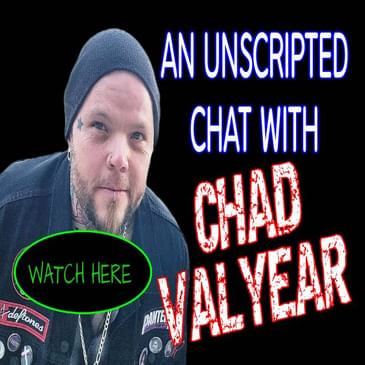


Chad is back for another appearance on the show. We had a great unscripted conversation about recovery, the opioid epidemic, ADHD and more.
For links to watch/listen on all platforms visit:www.a2apodcast.com/270
Title SponsorFAR - Families for Addiction Recovery
PSA SponsorAARC - Alberta Adolescent Recovery Centre
Daily Gratitude Sponsor
Yatra Trauma Center
www.yatracentre.com
PSA by Addict with Purpose
[00:00:00] [SPEAKER_01]: I was with him the night before, you know what I mean? We were going to start step one.
[00:00:05] [SPEAKER_01]: And he was coming by in the morning to get the book and he didn't come and get it.
[00:00:08] [SPEAKER_01]: And I thought he flaked out again. So I don't chase people for their recovery,
[00:00:13] [SPEAKER_01]: whether I love them or I don't. You know, I let them figure out if they really want it
[00:00:17] [SPEAKER_01]: and he didn't show up, you know, and I was like, I laughed it off.
[00:00:20] [SPEAKER_01]: He flaked out again, you know, and by six o'clock that night, his brother had found me on Facebook.
[00:00:26] [SPEAKER_01]: And he reached out and he's like, I got some bad news.
[00:00:29] [SPEAKER_01]: And I thought maybe he got pinched or something, you know, because you know, like me,
[00:00:32] [SPEAKER_01]: I just don't think that no matter what. I mean, I guess I always hope it's not that.
[00:00:36] [SPEAKER_01]: And he said he passed away last night, he overdosed.
[00:00:39] [SPEAKER_01]: And I was just like, what? Like, I was just with the dude, you know?
[00:00:43] [SPEAKER_03]: So that was a little bit from today's conversation with Chad Valyear.
[00:00:46] [SPEAKER_03]: Chad is a recovery content creator. He's a rock star.
[00:00:49] [SPEAKER_03]: He also works in the recovery field. Amazing guy. We've come quite close over the last six to eight months.
[00:00:54] [SPEAKER_03]: What I really like about having these repeat guests on is that we don't get back into the addiction story
[00:01:01] [SPEAKER_03]: and we could just talk some recovery.
[00:01:02] [SPEAKER_03]: So we had a really great conversation covered things like ADHD today, how death is affecting us,
[00:01:08] [SPEAKER_03]: you know, and the death rates right now with the opioid epidemic.
[00:01:12] [SPEAKER_03]: Just a great conversation all around.
[00:01:13] [SPEAKER_03]: Listen, the title sponsor for today's episode is FAR Canada.
[00:01:16] [SPEAKER_03]: That's Families for Addiction Recovery.
[00:01:18] [SPEAKER_03]: They are a nonprofit organization doing amazing free services for the loved ones of people who suffer with SUD.
[00:01:23] [SPEAKER_03]: You can learn more about them at FARCanada.org.
[00:01:27] [SPEAKER_03]: And in the meantime, enjoy the show.
[00:01:29] [SPEAKER_03]: Hello everybody, watchers, listeners, supporters of all kinds.
[00:01:31] [SPEAKER_03]: Welcome to another episode of the Ash Tossen podcast.
[00:01:34] [SPEAKER_03]: I'm your host Chuck LaFlandre or Chris Horter, whatever you want to call me.
[00:01:37] [SPEAKER_03]: And I'm checking in from Krabi, Thailand halfway around the world.
[00:01:41] [SPEAKER_03]: And I forget what city again, Ontario is my good friend and returning guest, Chad Valyear.
[00:01:47] [SPEAKER_03]: How are you doing today, Chad?
[00:01:48] [SPEAKER_01]: Hey man, what's happening?
[00:01:50] [SPEAKER_01]: Not so much buddy.
[00:01:52] [SPEAKER_01]: Dirty old Oshawa.
[00:01:53] [SPEAKER_03]: I always forget, I always forget.
[00:01:56] [SPEAKER_03]: I know you're not too far from Peterborough, that's all I remember.
[00:01:59] [SPEAKER_03]: That's only because you said it to be pre-recorded, let's be honest.
[00:02:03] [SPEAKER_01]: An hour and a half I think.
[00:02:07] [SPEAKER_01]: Apparently the drugs are worse out there than they are here and it's bad here man.
[00:02:12] [SPEAKER_01]: And Peterborough is supposed to be even worse as far as I've, you know, the 10 cities, there's more of those out there like, yeah, it's supposed to be really bad.
[00:02:19] [SPEAKER_03]: Is there a bigger population Peterborough or Oshawa?
[00:02:22] [SPEAKER_01]: Actually, I don't think so.
[00:02:23] [SPEAKER_01]: But I think it's much smaller.
[00:02:27] [SPEAKER_03]: Oh really?
[00:02:28] [SPEAKER_01]: That would explain probably why the epidemic is bigger out there right?
[00:02:31] [SPEAKER_01]: Smaller place.
[00:02:32] [SPEAKER_03]: Yeah or more noticeable or whatever.
[00:02:34] [SPEAKER_03]: Yeah.
[00:02:35] [SPEAKER_01]: For demographics.
[00:02:36] [SPEAKER_03]: Yeah.
[00:02:37] [SPEAKER_03]: It's crazy man.
[00:02:38] [SPEAKER_03]: It's crazy all over Canada, all over North America right?
[00:02:41] [SPEAKER_03]: And it's not gotten any better.
[00:02:43] [SPEAKER_01]: Well, it's really messed up because you know a couple weeks ago a guy that I was working with in the program like, you know he was 32 years old, he overdosed and died.
[00:02:52] [SPEAKER_01]: I was with him the night before.
[00:02:54] [SPEAKER_01]: You know what I mean?
[00:02:55] [SPEAKER_01]: We were going to start step one.
[00:02:57] [SPEAKER_01]: And he was coming by in the morning to get the book and he didn't come and get it.
[00:03:01] [SPEAKER_01]: And I thought he flaked out again so I, you know, I don't chase people for their recovery whether I love them or I don't.
[00:03:07] [SPEAKER_01]: You know, I let them figure out if they really want it and he didn't show up, you know, and I was like, I laughed it off.
[00:03:13] [SPEAKER_01]: Like, ah, he flaked out again, you know, and by six o'clock that night his brother had found me on Facebook and he reached out and he's like, I got some bad news.
[00:03:23] [SPEAKER_01]: And I thought maybe he got pinched or something, you know, because you know, like me, I just don't think death no matter what.
[00:03:29] [SPEAKER_01]: I mean, I guess I always hope it's not death.
[00:03:31] [SPEAKER_01]: And he said he passed away last night, he overdosed and I was just like, what?
[00:03:35] [SPEAKER_01]: Like I was just with the dude.
[00:03:38] [SPEAKER_01]: You know, you know, he was a guy like he kept, you know, he kept wanting it.
[00:03:45] [SPEAKER_01]: And again, I say this ad nauseam man, like we all think we got that one last time in us, you know, and he was just and that I've lost a lot of people to addiction, like a lot of people.
[00:03:58] [SPEAKER_01]: And I'm talking probably in the forties since I came into recovery.
[00:04:04] [SPEAKER_01]: Some people were closer than others, like don't get me wrong, but they're all people I've had these types of conversations with, you know, but because I had worked so closely with him, it really put a face on it for me.
[00:04:16] [SPEAKER_01]: You know, and the first thing I did, I hit a meeting man.
[00:04:20] [SPEAKER_01]: Like, and I didn't want to go.
[00:04:22] [SPEAKER_01]: You know, but I knew that that's what I needed at that moment because it was like I needed somewhere where I could just just be open.
[00:04:31] [SPEAKER_01]: You know, like I can't walk into a restaurant and sit with someone who doesn't understand it and go, yeah, a friend of mine overdose and died because chances are they're going to go well if he did drugs probably, you know, like, yeah, right.
[00:04:44] [SPEAKER_03]: Yeah.
[00:04:44] [SPEAKER_03]: Most kind of people, you know, most yeah even even the most kind people.
[00:04:50] [SPEAKER_03]: Most not all most certainly feel like unless you have some lived experience. It's really just hard to get.
[00:04:59] [SPEAKER_03]: You know, right, you can be empathetic, but it's, you know, it's just hard. It's hard for them.
[00:05:04] [SPEAKER_01]: Well, you think it would get easier, you know, and it really doesn't like that.
[00:05:08] [SPEAKER_01]: And don't get me wrong. I wasn't even as close to him. Like I work close with him and I considered him a really good friend.
[00:05:13] [SPEAKER_01]: Like I don't want to be misunderstood there. But there were closer people to me like, you know, last year my two of my nephews overdosed in Belleville.
[00:05:21] [SPEAKER_01]: Right. And, you know, they were just young to 33 and 19. Like they were young men.
[00:05:26] [SPEAKER_01]: But this one hit me different and I don't know why or if it was just because maybe I was with them like the day before or what?
[00:05:34] [SPEAKER_03]: You know, it's right. There's so many contributing factors to something like that. So many. Right. It's horribly sad.
[00:05:41] [SPEAKER_04]: You know, yeah, I often say like better.
[00:05:46] [SPEAKER_03]: I both look forward to and dread the day that it gets easier.
[00:05:52] [SPEAKER_03]: You know, like, like I often think and say that like because I'd like yourself.
[00:05:59] [SPEAKER_03]: Yeah. So many people. Right. I think we've stopped if I'd have to go back and think but I think it's been a few months now.
[00:06:08] [SPEAKER_03]: But still since I came into recovery, more people than months. Yeah. Right. I'm coming up on two years here.
[00:06:15] [SPEAKER_03]: So it's been a lot. I have a lot of just a quick introduction for the important PSA.
[00:06:21] [SPEAKER_03]: Today's PSA is brought to you by ARC, that's Alberta Adolescent Recovery Centre located in, of course, Alberta, Canada.
[00:06:26] [SPEAKER_03]: But they're doing some amazing things there treating adolescents and the whole family really.
[00:06:31] [SPEAKER_03]: It's a peer support system that's super next level. I keep saying it's revolutionary, but it's been around for 34 years.
[00:06:37] [SPEAKER_03]: Just nobody's been talking about it. So check them out guys at arc.ab.ca.
[00:06:41] [SPEAKER_00]: And in the meantime, here's a PSA. Hey, everyone. Rachel Attick with Purpose here.
[00:06:47] [SPEAKER_00]: I just wanted to briefly share about two of my favorite medications out there. Naloxone and Narcan.
[00:06:53] [SPEAKER_00]: These are medications to help prevent accidental overdose. It doesn't matter who you are.
[00:06:58] [SPEAKER_00]: Addiction does not discriminate. There is crazy things out there today and people are dying at really high alarming rates.
[00:07:06] [SPEAKER_00]: So this medication here is a life saving device. You cannot recover if you're dead.
[00:07:12] [SPEAKER_00]: And this is how we are saving the lives of people and helping people find recovery when they're ready.
[00:07:23] [SPEAKER_01]: So it's been a lot. I have a guy 35, 37 years clean.
[00:07:29] [SPEAKER_01]: And when I told him I was up in the 40s, he jokingly said, you're a lightweight.
[00:07:34] [SPEAKER_01]: He's been clean 37 years. How many people has he seen go?
[00:07:42] [SPEAKER_01]: I do a thing through my group. I do H&I. So I'll bring meetings into things like detox centers or jails or things like that where people can't get recovery.
[00:07:52] [SPEAKER_01]: You know what I mean? So I'll bring it in there. And I actually had that gentleman fill in for me that day because I couldn't go.
[00:08:00] [SPEAKER_01]: I just couldn't go and bring a message. It's like I wanted to, but something in me just...
[00:08:06] [SPEAKER_01]: And it's probably where I should have been to be honest with you being of service might have helped me.
[00:08:11] [SPEAKER_01]: But when I seen him, he just looked at me and there was a numbness, but a sadness.
[00:08:17] [SPEAKER_01]: And he just looked at me and he goes, Chad, I hate this fucking disease, man.
[00:08:21] [SPEAKER_01]: And it's like, yeah, me too, man. Me too.
[00:08:26] [SPEAKER_03]: No shit. No shit.
[00:08:28] [SPEAKER_03]: And with the add on to Fentanyl and the scene over the last decade, I mean, it just keeps speeding up.
[00:08:34] [SPEAKER_03]: There's a close friend of the show that lives in your part of the world, actually Tammy, whose daughter is incarcerated right now.
[00:08:41] [SPEAKER_03]: And Tammy has been quite open about her journey as a mother of somebody who suffers with SUD.
[00:08:47] [SPEAKER_03]: So I can speak to it because she's got a blog going for quite a while on my page, even so she's public about it, right?
[00:08:55] [SPEAKER_03]: Trying to help other mothers relate. And her daughter is in jail and she's got all these conflicting feelings about it.
[00:09:03] [SPEAKER_03]: And it's like, but she's safe, right? Like when was the last time you went to bed?
[00:09:10] [SPEAKER_03]: Not like knowing for certain your daughter wasn't going to be, you know, overdosed that night.
[00:09:14] [SPEAKER_03]: Yeah, it was the last time. Right. You know, it's been a very long time.
[00:09:18] [SPEAKER_03]: So that's what it's come down to. Right. A friend of mine's.
[00:09:22] [SPEAKER_01]: So my sister's baby dad years ago, he died.
[00:09:27] [SPEAKER_01]: And at the funeral, I remember hearing a police car.
[00:09:33] [SPEAKER_01]: The sirens go off as we're in the middle of this procession. Right.
[00:09:37] [SPEAKER_01]: And the mother looked over and said, this is the first time I didn't wonder if that was for him. Right.
[00:09:42] [SPEAKER_01]: And that's how she lived for years. Right.
[00:09:46] [SPEAKER_01]: Yeah, it's like that sometimes isn't the worst case scenario.
[00:09:52] [SPEAKER_01]: No, you know, and that's a horrible thing to say.
[00:09:55] [SPEAKER_01]: And I understand what that sounds like.
[00:09:57] [SPEAKER_01]: But I know like a really close friend of mine, too, like, again, we're on this thing.
[00:10:01] [SPEAKER_01]: So all these things are popping in my head.
[00:10:03] [SPEAKER_01]: But another friend of mine, I remember his brother overdosed.
[00:10:09] [SPEAKER_01]: And I remember him saying and this man's very spiritual.
[00:10:13] [SPEAKER_01]: And what he said was so powerful. He said God was done watching him suffer and knew he wasn't going to get it.
[00:10:19] [SPEAKER_01]: So we brought him home. Yeah. You know, and if you can look at something like that and bring it like that kind of spin on it, that's the kind of shit I want.
[00:10:28] [SPEAKER_01]: Like I want to be able to like, I mean, I know where I'm going after this anyway.
[00:10:32] [SPEAKER_01]: So I'm not dying isn't a fear necessarily for me.
[00:10:36] [SPEAKER_01]: I mean, the ego in me doesn't want the world to go on without me.
[00:10:39] [SPEAKER_03]: I'll be honest. What would we do?
[00:10:43] [SPEAKER_01]: In all fairness, I'm good. You know what I mean?
[00:10:46] [SPEAKER_01]: Like my kids are taken care of. And so if I were to go tomorrow, I'm good with that.
[00:10:51] [SPEAKER_01]: But I don't want to go out like that. You know what I mean?
[00:10:54] [SPEAKER_01]: Like and I tried to for years. And that was the thing.
[00:10:57] [SPEAKER_01]: Like I always said that if, you know, my somebody found me in a room with a rig hanging out of my arm, it would have been a lot more acceptable to see or understandable for my parents or my sisters.
[00:11:09] [SPEAKER_01]: You know, to see that than if I had jumped in front of a train.
[00:11:14] [SPEAKER_01]: Yeah, it would have been easier to swallow for them for whatever because they were expecting that right?
[00:11:19] [SPEAKER_04]: Yeah, which is awful.
[00:11:21] [SPEAKER_01]: My sister used to say, Chad, my thing with you is is you'll do anything like you don't have a drug of choice.
[00:11:28] [SPEAKER_01]: You do. But it's called more. Right.
[00:11:31] [SPEAKER_01]: It's like what else? And then, you know, there's no drug you won't do.
[00:11:35] [SPEAKER_01]: And she goes, and that's what terrifies me as it should as it should.
[00:11:38] [SPEAKER_01]: I mean, and all we want to do is escape anyway. So it doesn't matter how that is.
[00:11:42] [SPEAKER_01]: We have our preferences. But, you know, if I was out of dope and there was a bottle in the fridge, didn't matter.
[00:11:48] [SPEAKER_03]: You know, yeah, yeah, yeah, I hear you.
[00:11:52] [SPEAKER_03]: It's a funny thing. It's not a funny thing.
[00:11:55] [SPEAKER_03]: Two years ago today, two years ago today, I can almost guarantee you that I would have had half gram or so fentanyl on me, even though I never did it.
[00:12:05] [SPEAKER_03]: Because what if that was the day I finally had the guts?
[00:12:08] [SPEAKER_03]: That was my mindset at that time. Right. Because I just, you know, right.
[00:12:13] [SPEAKER_03]: You just get so exhausted and tired of it and all the shit.
[00:12:17] [SPEAKER_03]: And I would feel uncomfortable if I had to sell it because then I didn't have it there as this weird sort of comfort thing. Right.
[00:12:24] [SPEAKER_03]: And that was normal for me for more than a year. Right.
[00:12:29] [SPEAKER_03]: Finally, before I finally found recovery. Right.
[00:12:31] [SPEAKER_03]: You know how fucked up is that?
[00:12:33] [SPEAKER_01]: I have a relative and you know he's in the grips, man.
[00:12:37] [SPEAKER_01]: Like he's hardcore in the grip.
[00:12:38] [SPEAKER_01]: And, you know, he's the guy that he says like every time he wakes up, he goes fuck.
[00:12:47] [SPEAKER_01]: Right. I got to do this again today.
[00:12:50] [SPEAKER_01]: Yeah. You know, and it's like when he says that it breaks my heart, man.
[00:12:53] [SPEAKER_01]: But it's like you'll you'll either get tired or you'll follow through.
[00:12:58] [SPEAKER_01]: Right. And I mean, I know like near the end of my using and I shared it with you and I remember, you know, the last time I was on your show and I just remember like it was thought through, man.
[00:13:11] [SPEAKER_01]: Like I was done and to get to that point, like, and that's the thing.
[00:13:15] [SPEAKER_01]: You know, when I was in treatment and I knew the difference between the textbook warriors and the lived experience people because there's no course or no textbook that is ever going to be able to show you the desperation of being on your knees begging to either kill you or keep you alive.
[00:13:34] [SPEAKER_01]: No, you know, and the tears and the fear and the sadness and the anguish and the disdain and there's no book that'll fucking show you that man.
[00:13:43] [SPEAKER_01]: None. Nope. Right. And that's what I needed though.
[00:13:48] [SPEAKER_01]: You know, and every time I feel sometimes, you know, I robbed somebody of the rock bottom and I did that for years with my wife, my my ex wife.
[00:13:58] [SPEAKER_01]: I did that for a long time. I deprived her of a rock bottom.
[00:14:03] [SPEAKER_01]: You know, whenever it got too rough and she came back I pulled her out of it.
[00:14:07] [SPEAKER_01]: You know, and I had to stop doing that for me.
[00:14:11] [SPEAKER_01]: You know, like I can't we carry the message. We don't carry the attic.
[00:14:16] [SPEAKER_01]: And if you know, I can't I'm not my approach to recovery is not going upsy-daisy buddy.
[00:14:22] [SPEAKER_01]: You got this. You know, I'm the guy that goes, what the fuck are you doing?
[00:14:26] [SPEAKER_01]: Like, you know what you're doing. Like, you've got to like do you want to die?
[00:14:29] [SPEAKER_01]: Like, are you done yet? Are you tired?
[00:14:31] [SPEAKER_01]: You know, I don't have it in me to baby you.
[00:14:34] [SPEAKER_01]: And if you baby the attic, you'll bury the addict. Right.
[00:14:36] [SPEAKER_01]: And all these cliché sayings that I grew up laughing at or like the things that I would find to make fun of.
[00:14:43] [SPEAKER_01]: So I have a reason to walk away from my recovery are all things that I get now because I've done all the the don'ts.
[00:14:52] [SPEAKER_03]: That's that's a funny.
[00:14:54] [SPEAKER_03]: I got to stop saying funny. There's a peculiar concept there.
[00:14:57] [SPEAKER_03]: Not even peculiar. Interesting. Maybe is a better word.
[00:15:00] [SPEAKER_03]: Why I'm picking apart my vocabulary right now, I don't know.
[00:15:02] [SPEAKER_03]: But anyway, there was a metaphoric fence that I kept getting told about with the yeah, I knows.
[00:15:09] [SPEAKER_03]: So clichés that come at you. I know. I know. But do you? But do you? Right.
[00:15:14] [SPEAKER_03]: And then I'm going to say just before my one year mark last October,
[00:15:20] [SPEAKER_03]: right around the time that I decided that I was coming to Thailand, actually, this kind of thing where so much of it made sense all of a sudden.
[00:15:28] [SPEAKER_03]: So many of the clichés, so many because that fence that divides your recovery from being about not using to being about growing. Right.
[00:15:39] [SPEAKER_03]: Right. Where is it? Where you just get the clichés all of a sudden you get because now it's now it's the obsession is gone.
[00:15:47] [SPEAKER_03]: I'm not thinking about it all the time. I mean, whatever. We're human and we're fucking addicts.
[00:15:52] [SPEAKER_03]: So at the end of the day, you have some thoughts sometimes, some thoughts.
[00:15:56] [SPEAKER_03]: But my recovery became about what can I do to improve myself and my life?
[00:16:02] [SPEAKER_03]: And instead of what can I do to stay sober? Well, when we realize that drugs aren't the problem. Right.
[00:16:09] [SPEAKER_01]: And I say that, you know, I've said it a million times over. You know, if drugs were the problem, they do the same thing to everybody. Right.
[00:16:17] [SPEAKER_01]: And that's, you know, when I took drugs out of the equation, I was still a piece of shit and I had to work really hard at not being a piece of shit anymore.
[00:16:26] [SPEAKER_01]: And those are the things that people so like today, I have no desire and I have a very healthy fear of drugs and alcohol. Right.
[00:16:34] [SPEAKER_01]: The thought like it don't get me wrong. So two big things that people like to take out of out of the equation when it comes to recovery is or like, sorry, addiction is ritual and sedation.
[00:16:47] [SPEAKER_01]: Right. And ritual is a big one. And I'll tell you a funny story. My my sponsor tells a story to me all the time.
[00:16:53] [SPEAKER_01]: And I hear him tell it to a lot of newcomers. It's like a lot of guys will get into drinking the non alcoholic beer.
[00:16:59] [SPEAKER_01]: And I don't know what it is about this this testosterone filled bullshit vibe of man have to drink beer. And, you know, it's just nonsense to me. Right.
[00:17:08] [SPEAKER_01]: And it's like, you know, when my sponsor years ago, one of the times he tried to get clean, his sponsor called him up and said, so what's going on?
[00:17:16] [SPEAKER_01]: He's like, I'm just sitting here having a near beer. Sponsor goes, I'll be there in like 20 minutes. And the sponsor showed up with a spoon and some bacon soda.
[00:17:23] [SPEAKER_01]: And he started chopping up some bacon soda lines. And his sponsor looks and goes, what are you doing?
[00:17:29] [SPEAKER_01]: He goes, well, you're drinking some near beer. Let's smoke some near crack and do some near lines. Right. Like, what's the difference?
[00:17:36] [SPEAKER_01]: You know, it's like, not really changing anything. You're just not hot or you're not drunk.
[00:17:43] [SPEAKER_01]: So if you're not changing the behaviors, and that's the thing. And that was the big thing for people in my life today is it's like, you know, OK, so I'll use myself for an example.
[00:17:53] [SPEAKER_01]: Today, so I can still break character really easily and I can still be an asshole and I can still get angry and I still do all the things that human beings do.
[00:18:03] [SPEAKER_01]: But my character defects today, they poke out from time to time. Right. Yeah. Right.
[00:18:09] [SPEAKER_01]: When I watch people who run this gamut of being full of like, you know, the difference between clean time and recovery.
[00:18:15] [SPEAKER_01]: Right. When I see these people running this gamut of having recovery and then as soon as things don't go their way, they revert.
[00:18:22] [SPEAKER_01]: They just become the fucking asshole that they were or the liar that they were or the cheater that they were or the you know, the piece of shit that they were.
[00:18:32] [SPEAKER_01]: You know, then you know there was really no recovery there from my perspective, because it's like if you can just jump back like it would take a lot of work and a little bit of time for me to go back to the old chat.
[00:18:44] [SPEAKER_01]: Yeah, right. Because I first I have no desire. But secondly, like, you know, just like recovery didn't come to me in 15 minutes.
[00:18:52] [SPEAKER_01]: The version would be, you know, my co-host Ryan.
[00:18:57] [SPEAKER_03]: It took him five years, five years from the beginning of his relapse till things finally went full blown.
[00:19:04] [SPEAKER_03]: Right. Right. Started with a few beers and then over the course of, you know, right.
[00:19:08] [SPEAKER_03]: He pulled himself and eventually he ended up, you know, in jail five months ago now, six months ago now for, you know, for doing something that really shouldn't have happened.
[00:19:18] [SPEAKER_03]: But, you know, it's.
[00:19:19] [SPEAKER_01]: Well, and that's what happens. I often so, you know, like I said, I don't have the obsession to use, but it's like I was saying the ritual.
[00:19:28] [SPEAKER_01]: So like say I'll be at like I'll go out for fellowship after a meeting or something and I'll be eating wings or I'll eat my food and drink my diet pop and I'll look over and I'll see all the fellas over in the corner.
[00:19:38] [SPEAKER_01]: You know, tears in a shot and they're pounding back this shot.
[00:19:41] [SPEAKER_01]: It's I don't want the drunk feeling. I want that bonding.
[00:19:45] [SPEAKER_01]: You know what I mean? But I have that it's a different type of bonding for me now that I appreciate more.
[00:19:50] [SPEAKER_01]: But there was a time when that was how if I just met you at a bar like, hey, bro, let's do a shot, you know, do a couple of the Yag and game on.
[00:19:58] [SPEAKER_01]: And then we find the guy in the corner that's selling the blow.
[00:20:01] [SPEAKER_01]: And then, you know, the next thing, you know, and and I often sit and go, you know, I would get away with having a beer maybe once, maybe twice.
[00:20:10] [SPEAKER_01]: But then it would be to beer, a 40 pounder in eight ball and a rig in my arm.
[00:20:15] [SPEAKER_01]: And that's how fast that would happen.
[00:20:17] [SPEAKER_01]: And it would only be a few days and then I'm homeless.
[00:20:22] [SPEAKER_01]: Right. Absolutely. And there's never going to be a different result for me.
[00:20:25] [SPEAKER_01]: It's been 40 something years.
[00:20:30] [SPEAKER_03]: Right. But this time, this time, you know, terminal uniqueness, though.
[00:20:34] [SPEAKER_03]: Right. I am something that I talk pretty openly about.
[00:20:39] [SPEAKER_03]: So in December of last year here, the whole loneliness thing about being in Thailand alone and, you know, it's things I was having a really rough go a really rough go.
[00:20:49] [SPEAKER_03]: And of course, pot's legal here.
[00:20:51] [SPEAKER_03]: You know, we'd in Thailand like very there's a fucking dispensary.
[00:20:55] [SPEAKER_03]: You know, if you go to the tourist areas, three on every block.
[00:20:58] [SPEAKER_03]: Right. It's absolutely it's insane.
[00:20:59] [SPEAKER_03]: The amount of them and it's like I could smoke a joint, I could smoke and I still like there's a still a part of me that's like I could have a beer.
[00:21:06] [SPEAKER_03]: Alcohol was never my problem.
[00:21:07] [SPEAKER_03]: You've heard this how many times for people?
[00:21:09] [SPEAKER_03]: Right. Like, you know, there's still a part of me that that that wonders about that.
[00:21:14] [SPEAKER_03]: But I resisted the urge, thankfully.
[00:21:17] [SPEAKER_03]: And then it was a month or two later when I was feeling better and it occurred to me it's like I haven't had the urge to go buy a little bit of weed or have a beer since I started feeling better.
[00:21:29] [SPEAKER_03]: Right. That tells me that I am never too low.
[00:21:33] [SPEAKER_03]: Have a pot like have a puff or have a beer because that I'm doing that.
[00:21:37] [SPEAKER_03]: The urge only comes when I feel like shit.
[00:21:40] [SPEAKER_03]: Right. Right.
[00:21:41] [SPEAKER_03]: Like, like when I'm depressed and not feeling good.
[00:21:44] [SPEAKER_03]: Right. And I'm glad that I was able to identify that those months later.
[00:21:47] [SPEAKER_03]: Right. I'm pretty introspective person.
[00:21:49] [SPEAKER_03]: And now, like, yeah, man, I'm super like fucking hyper aware of that.
[00:21:54] [SPEAKER_03]: It's when I'm feeling down that those that I have those thoughts.
[00:21:57] [SPEAKER_03]: Right. Right. So, you know, it's work on whatever is making you feel that way instead of, you know, self looking at a way to self soothe it because.
[00:22:06] [SPEAKER_03]: Yeah. Well, I had a friend recently.
[00:22:10] [SPEAKER_01]: I wouldn't say a friend someone I know kind of make so they're sort of punching downwards when they were talking to me.
[00:22:17] [SPEAKER_01]: Right. And like they do it under the guys that they're interested in what I have to say.
[00:22:21] [SPEAKER_01]: But then they you know they'll they'll they'll sort of down punt on me.
[00:22:24] [SPEAKER_01]: Right. It's like but I'm you know I kind of dig that because I can kind of play back on it a little bit and I'm kind of an asshole that way.
[00:22:31] [SPEAKER_01]: Right. But anyway, they were saying to me, you know, like, you know, you really like to put yourself out there on the social media and talk about your recovery.
[00:22:40] [SPEAKER_01]: And, you know, and I hear that a lot. You know that Chad likes to put himself out there. He's pretty full of himself.
[00:22:45] [SPEAKER_01]: And it's like, well, no, like, first of all, anybody who talks to me like so I can I can present myself well.
[00:22:53] [SPEAKER_01]: And that's great because I'm never short of words. But there's a few things that factor in there.
[00:22:58] [SPEAKER_01]: One of you talk to me for any length of time or got to know, you know, my heart.
[00:23:05] [SPEAKER_01]: First of all, you'd see my imposter syndrome. You know what I mean?
[00:23:08] [SPEAKER_01]: Like I feel like if people ever really got to know who I am on the inside, they probably hate.
[00:23:14] [SPEAKER_01]: Right. But that's something that I'm working through. That's part of my recovery.
[00:23:18] [SPEAKER_01]: Right. Yeah. Yeah.
[00:23:19] [SPEAKER_01]: Secondly, I used to talk so much shit and do things to get reactions or do things to to fuck with people.
[00:23:29] [SPEAKER_01]: And now I'm just and I'll say like about 85 percent sure most times about what I want to say.
[00:23:36] [SPEAKER_01]: Right. Yeah. But the big one is this is I put myself out there to hold myself accountable because I really talk a lot about change recovery, hope, faith.
[00:23:48] [SPEAKER_01]: Music, all of it. So if I fuck up, right, it's going to you know what I mean?
[00:23:55] [SPEAKER_01]: Like it's not just like I'm not going to be able to hide it and I don't want to be able to hide it.
[00:24:02] [SPEAKER_01]: Like I need I need to be accountable. And you know, three plus years in my recovery.
[00:24:09] [SPEAKER_01]: I mean, I've been in recovery nine years, but it took me nine years to get three plus.
[00:24:13] [SPEAKER_01]: You know what I'm saying? Yeah. And it's like so that didn't come overnight.
[00:24:18] [SPEAKER_01]: And it's like, I don't want to if I don't make recovery, you know, at the center of everything I do, like it'll be way too easy to back away from it or walk away from it.
[00:24:29] [SPEAKER_01]: You know, even my new job, I got a job in recovery now. Like I work at a pretreatment center. Right.
[00:24:35] [SPEAKER_01]: I see these guys come in fresh and I get to build really great bonds with these guys. Right.
[00:24:44] [SPEAKER_01]: Some are ready for that bonding, some not so much as a part of the job. Right.
[00:24:48] [SPEAKER_01]: Like as much as I love my job, it has those moments where some guys just aren't going to connect with you and that's OK.
[00:24:54] [SPEAKER_01]: Maybe they're not ready. Maybe they just don't like me and I'm cool with that. Right.
[00:24:58] [SPEAKER_01]: But I'm there to make sure they know that there's hope, you know, and then putting myself in the middle of something.
[00:25:05] [SPEAKER_01]: Seeing that so fresh keeps me clean, man. Yeah. Yeah.
[00:25:11] [SPEAKER_03]: Oh, yeah. I've often wondered about that.
[00:25:15] [SPEAKER_03]: It's actually like next year when I'm done my education visa here in Krabi, Thailand of checking out Chiang Mai, Thailand, which is where there's a whole bunch of treatment centers and maybe looking at, you know, getting into the field.
[00:25:28] [SPEAKER_03]: Maybe. Yeah, I don't know. I think you'd be great at it. Nine to five.
[00:25:32] [SPEAKER_03]: But I think I have a place for sure. I mean, I know what my what I'm good at, what I'm not good at.
[00:25:37] [SPEAKER_03]: You know, we'll see. We'll see. That's certainly something that I've been thinking about.
[00:25:42] [SPEAKER_01]: Like guys like that bring a lot because I mean, we have authority. Right.
[00:25:47] [SPEAKER_01]: My favorite is when somebody tries to tell me I don't understand how they feel.
[00:25:51] [SPEAKER_01]: You don't get it. And it's like, I'm pretty sure I do. And you know what?
[00:25:56] [SPEAKER_01]: I don't live your life, but I can tell you, I know your desperation right now and I know your arrogance because I used to have.
[00:26:05] [SPEAKER_01]: Yeah, yeah, yeah. A lot of that.
[00:26:08] [SPEAKER_01]: Your little disguise doesn't work on me.
[00:26:14] [SPEAKER_03]: So, so Chad, before we get too far, I mean, we're almost halfway through the episode now.
[00:26:18] [SPEAKER_03]: There's a couple of things that I want to talk with you about most certainly.
[00:26:22] [SPEAKER_03]: One is what's going on, which you know what you got going on as far as your music and your new endeavor that you're working on.
[00:26:28] [SPEAKER_03]: And the other was a conversation that we started to have yesterday that, you know, we kind of, you know, backed away from and decided to save for the episode here today.
[00:26:37] [SPEAKER_03]: Yeah, yeah. About medications and the like. So for some background,
[00:26:45] [SPEAKER_03]: for anybody that's listening, Chad recorded a PSA about carrying Narcan, which is very passionate about by now at this point in the episode you've heard one sponsored by sponsoring it for this episode.
[00:26:55] [SPEAKER_03]: Very passionate that everyone should carry Narcan. I don't here in Thailand because it's not really open.
[00:27:00] [SPEAKER_03]: It's not really a thing here. It's funny. We're in Asia, but it's not really a thing at all.
[00:27:05] [SPEAKER_03]: Right. That's shocks me. It really does, right? It's weird. Like they do not have an opioid problem here.
[00:27:11] [SPEAKER_03]: They have a meth problem here and they have something called Yabba, which is a dirty version of meth and caffeine mixed together.
[00:27:18] [SPEAKER_03]: Yeah. Yeah. It's really like it's a dirty.
[00:27:21] [SPEAKER_03]: Right. But they don't have an opioid problem here at all. So and even if they did, it's weird for a foreigner to approach. Yeah, that would be a weird thing to do.
[00:27:30] [SPEAKER_03]: But back in Canada, I most certainly did. And if I ever went back, I most certainly would.
[00:27:35] [SPEAKER_03]: So thank you for recording that. And then the conversation after that, some of the effect of all we should do.
[00:27:42] [SPEAKER_03]: Oh, I had said something about ADHD and you said, oh, we should do a PSA about Ritalin to which I responded. Yeah. About the need for it. You expressed your disdain for it.
[00:27:51] [SPEAKER_03]: Where does that come from, Chad?
[00:27:52] [SPEAKER_01]: So I'll tell you, like my whole life, I had been diagnosed with ADHD, ADD.
[00:28:00] [SPEAKER_01]: I was that kid that needed the attention. Right. I didn't stop. Yeah. And my mom didn't put me on it, thankfully.
[00:28:09] [SPEAKER_01]: Right now. And I'm very, very grateful for that to this day. But as I got older and I, you know, focus for me is hard.
[00:28:18] [SPEAKER_01]: And I still, even at work sometimes, like I'll get not in trouble, but I'll get the Chad, like, you know, because as soon as something comes up, like, you know, I'll be in the middle of something and all you got to do is start talking about something else.
[00:28:28] [SPEAKER_01]: And I'm over here and I'll forget the task again. I'm on to the next thing. And that's just been my life. Right.
[00:28:33] [SPEAKER_01]: And the irony of the medication as I get older doctors would try to prescribe me is I didn't want to rely on a drug.
[00:28:44] [SPEAKER_01]: Yeah. Yeah. As I, you know, my life proceeds. But I remember so down here in Canada, I don't know if it's still a thing because I've been out of the loop for so long.
[00:28:56] [SPEAKER_01]: But a lot of people will do Ritalin. Right. They'll crush up Ritalin and snort it. And they do it. And I remember a friend of mine at the time saying to me, you know, a few years back, you know, if you crush up Ritalin and snort it, it'll be like the best blow you ever did.
[00:29:11] [SPEAKER_01]: And I'm like, sweet. It's cheap. Awesome. So I grab a couple pills and I crush them up and I snort them and I sit down and read a book, watch TV.
[00:29:23] [SPEAKER_01]: You know, it worked the opposite for me because I needed it. Right. Yeah.
[00:29:28] [SPEAKER_01]: But I find what happened so, especially with kids, it terrified me because we've gotten to this place in the world where it's almost like people forget we're supposed to feel shit.
[00:29:41] [SPEAKER_01]: You know what I mean? If a kid has a hard time paying attention, then do something that will help that.
[00:29:48] [SPEAKER_01]: You know what I mean? Like, I don't know. And I'm not okay. So I got to be careful because I don't want to shit on teachers.
[00:29:53] [SPEAKER_01]: Right. But I feel like a lot of teachers, you know, it's like, I'm here to do this and if this goes outside my box, then just put the kid on some meds so I don't have to deal with it.
[00:30:06] [SPEAKER_03]: That's an education system thing, I think more than an individual teacher. Right.
[00:30:10] [SPEAKER_01]: The teachers are the ones that have to enforce it. So that's fair. Thank you. And so with that being said, it's like nobody, you know, there was a time when people got into teaching because it was like a passion job.
[00:30:20] [SPEAKER_01]: Like, you know what I mean? They wanted to make a difference. And now it's just become a job. Right. I think to some people and again, I can't speak for all teachers, but I just see how it's working.
[00:30:32] [SPEAKER_03]: I'll interrupt that Chad, just to say because I've spoken to my fair share, weirdly enough, of teachers and I actually pretty good friends with a couple back home who I've watched go from the beginning of their career to now 15 years or 20 years into their career.
[00:30:47] [SPEAKER_03]: And I think, just like cops, so many of it get in for one reason. Time changes that for them. Right. Right. Having to work within a system that's not designed.
[00:31:03] [SPEAKER_03]: You know, like you've got the entire policing and court system. They're designed. It's punitive. It's shitty. And it's so how as a cop, how do you work within that to make a difference as a teacher? How do you work within a system that's designed as such to make a difference?
[00:31:19] [SPEAKER_03]: And over time that turns into apathy. Right. And eventually it's just my job. It's no longer a passion. Right. Right. So I can see, you know what I mean? So I think teachers still are getting into it for the right reasons. Okay.
[00:32:14] [SPEAKER_01]: And that's why they wanted to met me up. You know, I have a nephew who's on the spectrum and they wanted to just dose him right up. And my sister was not having it, man. She was like, not a chance. This kid is now, you know, he's very high functioning and you wouldn't even know if he doesn't really have the I mean, unless you look at the way he lines things up in his room or the way things have to be set up a certain way. But it's like there's a difference between Rain Man and Sheldon Cooper. You know what I mean? And it's like there's and that's why it's spectrum because, you know, it's
[00:32:44] [SPEAKER_03]: very broad, you know, to say Asperger's or autism or words like that. It's just kind of like throwing a fish in a bucket, you know, like you don't know where it is. So you say spectrum, but like meds are not the answer to everything. You know, and so you've already got you got me wound up on a couple of not wound up. But like there's a couple things passionately. So educate me, man. I've been so well, and all I can do is I'm going to pair it a lot of what Dr. Lisa, my my co host on the weekends and I don't think you've had the pleasure.
[00:33:14] [SPEAKER_03]: I'm going to have to get you on for a week. I've heard she is so amazing. She's cool. Cool. Yeah, she is. She's amazing. Right. So and for anybody that's that's new, the platform doesn't know Dr. Lisa, the psychiatrist who specializes in addiction, no lived experience as an addict, her brother 25 years been in the fight.
[00:33:32] [SPEAKER_03]: So what she brings is the being a loved one. Yeah, right. What's really cool about Lisa and I'm sure I probably shared this with you before chat. But I'll share again is that she was well into her career as an oil field engineer.
[00:33:46] [SPEAKER_03]: Right when she decided to go back to school to become a psychiatrist to further understand her brother's struggle. So she's just she's one of a kind. She's one of my favorite human beings on the planet.
[00:33:55] [SPEAKER_03]: And she knows her shit. She's like, yeah, psychiatrist is a lot of education that goes in behind that. And one of the things so like there's a misconception about ADHD, that it's about hyperactivity. Right? That's one of the symptoms.
[00:34:11] [SPEAKER_03]: Right. One of so there's a difference between a hyper kid and somebody with acute ADHD. Right. It's a big difference. So like, like she'll say by the time she's talking to somebody, if she doesn't deal with children specifically, of course it was part of her, her education, you know, she has to do some some time with that and after and speaking to specialists in that.
[00:34:32] [SPEAKER_03]: By the time a kid gets to see a psychiatrist, it's not about hyperactivity. If you think about the health care, what's it take to see a psychiatrist? Right. Right.
[00:34:42] [SPEAKER_04]: You know what I mean? It's no longer about a lot. Yeah. Right.
[00:34:45] [SPEAKER_03]: You fucking right. It is right. So by that point, we're talking about somebody with serious acute ADHD. Right. Right. So it's not about hyperactivity for me. I wasn't a hyper kid at all.
[00:34:58] [SPEAKER_03]: I was heart like and not focused. Fuck not focused. I was disruptive. I was we were talking pre record. Okay, focus in front of the class first day. Like, let's go. Right. Like I was that guy. Right.
[00:35:08] [SPEAKER_03]: I was hyper active for most certainly, but I wasn't hyper active by any standard by any by any magic market imagination. So the thing with ADHD is in what I've come and remember I was undiagnosed until two years ago.
[00:35:21] [SPEAKER_03]: Year and a half ago, I guess. No. Right. I had no idea.
[00:35:25] [SPEAKER_03]: And then all of a sudden things like stimulants made sense to me where everyone else is up peeking through the blinds and under the fucking door and through the people and I'm sitting there chilled.
[00:35:34] [SPEAKER_03]: Right. Which I imagine you could probably relate to. I was like that's how I got when I blow or crack. That's because the fuck. Yeah, me too. Me too. 100% me too.
[00:35:44] [SPEAKER_03]: Hey, what the fuck are you guys all doing? Man? Like I'm like chill. Right. Like paranoia. Never been a drug that made me paranoid.
[00:35:50] [SPEAKER_03]: I read my head a little bit, but like I didn't get up and you know, I knew they were for my grandma crack. No, it was like coming home. Those stimulus work right. It was like, oh yeah. Okay. I'm here.
[00:36:02] [SPEAKER_03]: This is good. I like this. Right. So and then it was pointed out to my friend's wife. She's like, fuck. Of course you do. She's the first one to kind of bring it to my attention.
[00:36:10] [SPEAKER_03]: And so I'll go off on a bit of a tangent here. One of the hardest things I had to deal with between at after that, one of the most tempting times relapse for me was when the fucking chaos will become so much.
[00:36:24] [SPEAKER_03]: I was having a hard time navigating the health care system. When I sell back in Canada to see a psychiatrist get medication for ADHD and all that is it now stimulants are very heavy really, really heavily medic are regulated in Canada.
[00:36:36] [SPEAKER_03]: Right. It just wasn't working out for me. It's like 40 bucks in a phone call, man. That's all it would take. Like 40 bucks in a phone call and I could not feel like this. Fuck. Fuck. So that was hard for me. Right.
[00:36:49] [SPEAKER_03]: But for a long time, and you're right, kids were your hyper. You need pills. Like and Ritalin was over prescribed for a very long time.
[00:36:58] [SPEAKER_03]: I had to roll all that shit. Yeah, it really was right. So post our conversation yesterday said to Lisa, hey, I'm gonna have a conversation tomorrow. I want some talking points so I know what the fuck I'm talking about. So like I came in.
[00:37:10] [SPEAKER_03]: I'm armored up, bro. That's where I'm at right now with this. Right.
[00:37:13] [SPEAKER_03]: Full disclosure. Right.
[00:37:14] [SPEAKER_03]: Because I tend to I tend to bastardize things. Right. So when I when I try and speak, you know, I'm surrounded by these highly intelligent people on basically high functioning special needs.
[00:37:25] [SPEAKER_03]: So like I'm like, you know, like to get my shit together. And so I said, Can you give me some talking points and one of the things Ritalin is a fast acting low are short lasting.
[00:37:36] [SPEAKER_03]: Right. Right. So it's not use that much anymore. Not not as much as it was, because those drugs typically and to say it as a general rule of thumb, anything quick on quick off is less safe.
[00:37:49] [SPEAKER_03]: So they don't really do that. I can't remember the name of the drug I was using in Canada that I was obviously prescribed legally and never got from a friend.
[00:37:59] [SPEAKER_03]: But it was like a slow release Ritalin. When I took it, it was right like it was just oh my god the chaos. And it makes me think and I think about all the time now that I'm here and getting ADHD meds in Thailand is not going to happen for me.
[00:38:12] [SPEAKER_03]: It's just not right like they're really heavily regulated, regulated, really hard to get expensive. It's just because everything here if it's a stimulus meth, because of the meth problem here.
[00:38:22] [SPEAKER_03]: Right. So the government is just absolutely anti anything to do with it. It's unfortunate. But when I think about how much negative self talk comes as a direct result of my ADHD, and this is something I think you could probably relate to.
[00:38:36] [SPEAKER_03]: I didn't get that done. Task paralysis. Fuck why didn't I do that. Right. Fuck I forgot the ADHD tax.
[00:38:44] [SPEAKER_03]: You know like fucking haven't, do you know how many times I paid for a fucking lockout and then found my keys a day later. Yeah. You know what I mean? Like, you know when there's that funny there's all that tick tocks about ADHD and the fucking you know where's my keys and whatever.
[00:38:57] [SPEAKER_03]: There's so much more to it man.
[00:38:59] [SPEAKER_03]: There's so much it's not about hyperactivity. It's not about losing your keys. It's about fucking hating yourself. All the time about being pissed off at yourself for something all the time.
[00:39:11] [SPEAKER_03]: And how hard that is for somebody to navigate. So when I think about this and they go fuck like, and my mom was not a medication person at all. Right. And she didn't even catch that I might have it.
[00:39:25] [SPEAKER_03]: I think we were 17 we had a quick conversation once and that was the only conversation that ever happened by then I have been out of the house for three years. So it wasn't it wasn't even an option for mom to go through the process and get me medicated.
[00:39:35] [SPEAKER_03]: So, this is not a finger pointing in any way at her most certainly.
[00:39:39] [SPEAKER_03]: But I think about how I grown up not being pissed off at myself.
[00:39:43] [SPEAKER_03]: All the time.
[00:39:45] [SPEAKER_03]: How different would my life have been.
[00:39:46] [SPEAKER_03]: How many addicts when you start that conversation and I can tell you from from hosting those podcasts.
[00:39:53] [SPEAKER_03]: So fucking many it's all it's just, I didn't fit in. I was different. I was like I did drugs I felt like I belonged, you've heard it, you've heard it 1000 times. Right.
[00:40:03] [SPEAKER_03]: How much of that is a result of being fucking pissed off at yourself, all the time. Right. And how hard that is on somebody.
[00:40:11] [SPEAKER_03]: You know even now it's hard on me without it had I not had the therapy therapy and that entire experience that you're when I got here.
[00:40:18] [SPEAKER_03]: I don't know what that negative self talk would do to me Mike helped me navigate that a lot through therapy.
[00:40:23] [SPEAKER_03]: But like man, there's a list of half a dozen things that I need to do that I should have done within the last few days that have not done.
[00:40:30] [SPEAKER_03]: I've had the time. I don't know why and I pissed off at myself for it. Right. But I've done that my whole life. So how different would my life have been when I felt the need to self soothe so much had I been medicated young.
[00:40:43] [SPEAKER_03]: Right. And, and I'm sorry I'm ranting here. No, a couple more points here to make. So Lisa's quote here in her message to me.
[00:40:52] [SPEAKER_03]: Right.
[00:40:52] [SPEAKER_03]: Right. So that there's that's that's a clinical there's there's a ton of peer review paper we've talked about this at length on the show before. There's a ton of evidence to support that.
[00:41:08] [SPEAKER_03]: A kid with undate untreated ADHD is much more likely to end up in substances, much more.
[00:41:13] [SPEAKER_03]: For all the reasons I just said I imagine. Yeah, I can only guess at that. But the causality but there is no doubt that the two are connected. Right. Right.
[00:41:26] [SPEAKER_03]: So, meaning that if we don't treat a child they're much more likely to develop addiction than if some theories on ADHD puts people at a high risk of addiction because they are trying to self medicaid so that to me.
[00:41:37] [SPEAKER_03]: That's what I was just saying, and also symptom of ADHD is impulsivity, Chad.
[00:41:43] [SPEAKER_03]: Someone who is someone who's impulsive.
[00:41:45] [SPEAKER_03]: If I now think later, is that a greater list of experimenting with drugs, which increases the risk of addiction, Chad. Yeah. Right. So, so,
[00:41:55] [SPEAKER_03]: so we'll ask you with all of that information and a different lens to look at it. When you say you're thankful your mom never put you on medication.
[00:42:04] [SPEAKER_01]: Okay, can you look back at that and ask yourself, fuck what if 100% and so, first of all, that was super powerful and thank you for that.
[00:42:15] [SPEAKER_01]: First and foremost, that was that was huge.
[00:42:19] [SPEAKER_01]: Secondly, I guess, because you just pointed out a very big difference in the two for me, I guess where I was trying to go with that where I kind of lost sight.
[00:42:28] [SPEAKER_01]: And I'm really glad that you pointed a lot of that out is, I think my my concern with it was that they're just putting kids on meds before they're sure.
[00:42:40] [SPEAKER_01]: Right. There's a hyper kid happened put them on pill. There's a fucking generation that happened to so everything you said and everything doctor needs to put on there makes 100% perfect sense.
[00:42:51] [SPEAKER_01]: And you know what, all those things that you pointed out about all the things you've dealt with I've gone through. Right. All the things that you know what I mean and as you're going Chad I'm going you're right. You're right. You're right.
[00:43:02] [SPEAKER_01]: And I needed to hear that today, you know, and that is why this whole thing happened. Right. Because it's like, you know, but like, again back to, you know, putting it out there.
[00:43:16] [SPEAKER_01]: I see guys so fresh coming into recovery, and they're on like 15 different medications. Right. For all these things. And those are the things so you know those are the things that concern me because it's like how many of those things were just, you know, prescribed because oh, I felt like this or I feel like this or I don't want to have to feel like that. Right.
[00:43:44] [SPEAKER_01]: And I think that's, I think that was where I was trying to go with it.
[00:43:47] [SPEAKER_01]: And it definitely got mixed up there in the translation. But my you know when I realize, you know, that, you know, a lot of the work that I had to do on the inside is now stuff that you know the stuff that I would have taken medication for.
[00:44:08] [SPEAKER_01]: I learned to work through, you know, through doing different types of therapy, counseling, things like that. Right. And you're right though because like the stimulants did the same thing to me. Right.
[00:44:23] [SPEAKER_01]: When I heard you talking, I was like, you know what I mean? Like I get quiet. That was the worst. The worst tell for Chad Valier was as soon as he got up something's wrong. Right. So you do I do a couple rails or a couple blasts and I do a couple of things.
[00:44:38] [SPEAKER_01]: And I just sit there and everybody's going what the fuck's wrong with this guy. Right. Yeah. And so that's what I mean. And that's why when I did Riddle it, it was just like, you know, you're right.
[00:44:49] [SPEAKER_01]: Like I guess what it comes down to is I think before the prescriptions are written proper diagnosis should be made and we should be treating it like a car engine. You know, like it could be this could be that it could be this.
[00:45:01] [SPEAKER_01]: Let's make sure we know. Yeah. Right. Yeah. And I think if that I can take anything from that and come back with with, you know, how I presented it and try to fix that up a little bit. That's where I would go with it. Fair enough.
[00:45:14] [SPEAKER_03]: It's like fentanyl fentanyl to somebody with a third degree burn is a pretty amazing fucking thing.
[00:45:24] [SPEAKER_03]: It's like, it's a great thing. I watched them just crazy story. I watched them use a fucking cordless drill. It was a duet and drill into a dude shin bone and put an ID fentanyl in there. I shit you not because he had got burns from a battery. Yeah. Right. Like, because apparently into the marrow is the best way that like the fastest and most effective way. Right. But like,
[00:45:48] [SPEAKER_03]: you're giving people ideas, Chuck.
[00:45:51] [SPEAKER_03]: Okay, sorry. Yeah. Right. Go back. Go back to both of the drill. I'll be right back.
[00:45:57] [SPEAKER_03]: No, no, no. Trust me. Fuck.
[00:45:59] [SPEAKER_03]: Right. Yeah, I'll do you then you do me. Right.
[00:46:08] [SPEAKER_03]: I'm all shampoo you for it.
[00:46:12] [SPEAKER_03]: But, but fentanyl is not a bad thing. Right. People. Why? Why did they invent a drug like that? They invented a pharmaceutical that would seriously help people that were in horrible kinds of pain. Right. We went and fucked it up. And that is what you know I mean.
[00:46:28] [SPEAKER_01]: Right. Yeah. And I mean, there's no money in the cure. And that's what it always comes down to. Like, I think methadone is a great drug. If there's a plan. Yeah. You know what I mean? Yeah. Right. I know there's people who don't have the luxury to spend 14 days in withdrawal. Right. Yeah.
[00:46:47] [SPEAKER_01]: I think, you know, all the, you know, drugs were invented for a reason. You know what I mean? Yeah. No, McCain isn't a bad drug either. You got it too. No, no. You know what I'm saying? So it's like all these things that that we've abused and turned into like, you know, it all started out from a good place. I think. Yeah. And that being typically anyway. Right. Yeah.
[00:47:13] [SPEAKER_01]: And I mean, we learned that. You know, I remember back before I was, I crushed my hand in a machine at my job and that's how I so because I was already, you know, cocaine was my drug of choice at that point when it turned into opiates was when I crushed my hand in a machine at work. Right.
[00:47:30] [SPEAKER_01]: And I had done the odd perk or something, you know, to just get that little warm thing. But then when, you know, two doctors within a week prescribed me 400 perks each for my crushed hand that I was waiting out plastic surgery on and they were doing that every two weeks, giving me 800 perks. You know, and then I'm really like, if if two pills make me feel this good, how would five make me feel? And then how would 10 make me feel? And then I'm doing 10 80 milligram oxys a day. You know what I mean? And like, well, I mean, between five and 10,
[00:48:00] [SPEAKER_01]: whatever I could get my hands on past five, I did. It was very often 10 people were like, I'm surprised you're fucking alive. I'm like me too. But that's a reality. Right. But I'm telling you, like when my hand was, you know, looked like a lightning bolt and it was mangled. Those perks were wonderful. You know, when I was playing there, puking, crying and shitting my pants. They weren't so wonderful. Not so much. Right. Yeah. But anything that's good for me anyway, no matter what, like I just want to be
[00:48:30] [SPEAKER_03]: in the game. I just want more of it all the time. You know, not just the way it works for us, man. Absolutely. Well, I appreciate that so very, very much. Yeah, man. What's going on? And I know what's going on, but let's talk about what's going on.
[00:48:49] [SPEAKER_01]: Make it sound like it's all, you know, unscripted and whatever. We know what's going on. Validation. We've been talking free record, of course, about some of those things. So you're starting a podcast? Yeah. Yeah. So yeah. Well, what happened? It's because it's kind of been an idea for a long time. But, you know, I've had that my logo done for like couple years and I thought about it and oh, and but it was like to me when I first
[00:49:19] [SPEAKER_01]: got into recovery, you know, I wanted to be the voice for the voiceless and I was going to, you know, any addict I was going to save. And, you know, I started doing it like I would go on these big fucking rants on Facebook, dude. And they were unbearable. Like some of them come up in my memories and I'll fucking delete them. They're so embarrassing.
[00:49:36] [SPEAKER_01]: It's cringe. Oh, dude. I can only imagine the people that actually cared about me reading this going fuck, like what are you doing? Right. But anyway, you learn from that shit, right? You learn some humility. You learn that you don't know everything. You learn that everybody that came before you was doing that. My favorite thing is when a guy gets into recovery and he gets out of treatment, I'm going to be a counselor. Every fucking guy I know that gets out of treatment is going to be a counselor. Yeah. But I go that awesome, man. I hope so. Right. Just like so when it when social media
[00:50:06] [SPEAKER_01]: started really blowing up when I first got into recovery like nine years ago, and I was doing my lackluster versions of it. You know, I thought about, you know, maybe being that person. I started this thing that was a joke for a while called I hate Chad. And it was like I actually got a t shirt that was made in that, you know, got my face with a big line through it. But and I was trying to do like I was trying to inform people and the videos were fucking it looked like a really bad after school special like,
[00:50:36] [SPEAKER_01]: and I was like, with pride and going, and people are going this guy's a fucking loser. What's wrong with this guy? He's a smart guy. Why is he doing this? It was just like, how can I get my face and my words and my knowledge? And it was just so important that everybody thought I was clever. And I was working with a lot of surface knowledge. And then people would throw me on the edge. And then I'd be like, I'd have no answers. And I looked like a fucking clown because I was working on it. And it was it was humbling, man.
[00:51:05] [SPEAKER_01]: Because, you know, I would even like, you know, even when I was at meetings, I wasn't there to learn. I was there to listen and say something even more clever. So somebody thought I was the smartest guy in an A meeting. You know, I'm so fucking smart. I'm sitting here. You know what I mean? So I really just kind of put the idea away for a bit. And then when I started changing, like when I really started taking my recovery serious,
[00:51:35] [SPEAKER_01]: and then I did the documentary with sugarman. Right. And I did that. And then with the book coming, like I'm about halfway through the book now. It's taken me a bit. There's been some blocks.
[00:51:47] [SPEAKER_01]: But I'm getting and I'm realizing that I do have some pretty valid things to say. Right. And it's like the more times I get on things like this or, you know, I remember, you know, I did I did one of the other podcasts.
[00:52:03] [SPEAKER_01]: And I remember they, they had to cut it. But they didn't want to. They said like, I feel like everything that was said here was valid. And I hate that I have to cut this into an hour. Right. And then I did one with you. And I remember at the end, you said to me something along the lines of why are you doing this? Like, this seems like this would be your jam. You know, and then like there's lots of people going, I see you on these things. Why aren't you doing it? And then I kind of just was like, why aren't I doing it? Right? Like, I maybe should try. Why not see what happens in the book.
[00:52:32] [SPEAKER_01]: And I mean, this would if it sucks, this won't be the first thing I fail that. You know what I mean? And it could be really cool or it could be really shitty, you know, and and you know, after after almost two years and 200 and I think this is episode 270. We're recording right now.
[00:52:52] [SPEAKER_03]: Which is an insane, like if you do the math on that as fucking nuts. Yeah, I got a lot of episodes right. patience in letting it grow. Yeah, is probably the hardest thing realizing that your thing is never going to be the thing to everybody else. It's only going to be a thing at best. Right? Right. So to the closest person to you in the whole world, it will never be the thing. It will be a thing.
[00:53:21] [SPEAKER_03]: And that's something to remember. But I think you're at a point, especially because you have all the experiences as a musician, you know, some notoriety, right? You kind of appreciate how that takes some time to share to build. Yeah, maybe more so than other people would have.
[00:53:38] [SPEAKER_03]: Yeah, yeah, right. Yeah. And then and then one day it just kind of clicks. Right? So I had one guest on about six months in I had one guest on that completely changed everything. Right. And our Spotify downloads went through the fucking roof, like two numbers that are kind of unbelievable. Right. Right.
[00:53:57] [SPEAKER_03]: And of course, my YouTube is very, it's not very substantive. Facebook would do much better than we do YouTube. But realizing that like I was begging people for a like and a share friends closest to me like really right. It was like, you know, why the fuck? Why won't you? Why wouldn't you? And I don't know when it doesn't matter because to them, it's a thing to me. It's the thing. Right. And remembering that that like, you know what I mean? And to some people, it's going to be a great thing.
[00:54:27] [SPEAKER_01]: They're going to pay a lot of attention. They're gonna be passionate. Yeah. So but you have the background and I think you can kill it, man. Well, I know you will write. I hope you know, and it's like, I know a lot of people, man. And I know a lot of people that have some really cool things to say. And I've met a lot of people in recovery. I've met a lot of people in music. And I might not know all these big famous rock stars, you know, but I know some people who've done some things. And I'm sure their stories are great. You know, and especially if it gets down
[00:54:57] [SPEAKER_01]: to the things, you know, like anybody who knows me knows it always comes down to faith, recovery, music, and tattoos. Right? So it's like we're gonna, you know, we're going to tackle some things and, you know, I'm going to I'm going to stick to what I know. And I'm not going to, you know, reach too far outside of that. And, you know, and throw the shit to the wall and see what sticks, you know, and
[00:55:25] [SPEAKER_01]: And I got some great guys like you reached out, man. Like guys like you and guys like you know, Jared and guys like that that will reach out and be like, hey, you know, this will help, you know, because we're all a team here.
[00:55:38] [SPEAKER_01]: And that's the one thing I love about this community that you guys have invited me and allowed me to be part of, you know, is it's like you guys all seem to to stick together, you know, when I when I look around and I see, you know, Rachel and Chantelle and Jamie and you and Jared.
[00:55:53] [SPEAKER_01]: And like there's we're all like on each other shit all the time. And I love that, man. Because if you look, even when you look at music back in like the Johnny Cash and Whalen Jennings days, you know, Johnny Cash had that show and it wasn't uncommon for those guys to always be on each other's songs and playing and singing and doing their thing and on their shows.
[00:56:11] [SPEAKER_01]: And it's like, and those are when you look back on those, those are the shit, man. Like you see, you know, you know what?
[00:56:17] [SPEAKER_03]: Right? It's competition happens at the bottom. collaboration happens at the top, right? Right? Like, fuck that man like I'm not out here trying to fucking compete with you. I want you to do well. I want you to I want you to kill it. Right? You know what I mean? And then so yeah, no, it is great. It really is to connect. It's because I know I respect what you guys are doing. You know, I'm not calling trust me, man. And likewise, places I wouldn't fucking contact.
[00:56:47] [SPEAKER_03]: I'm like, I don't need to be on that show. I'm cool. Right? And I don't want and I can tell you, I would never sit here and list off names. But I've come across some of the most toxic ego on the planet. Yeah. In the recovery content world. Sure. Right. Like I've just disgusted put off grossed out, you know, by by some of what I've seen. And it's taken me just like we're all human, right? So remembering that you just don't have to be a part of it.
[00:57:17] [SPEAKER_01]: And that's where I just wouldn't be a page and I don't need to. And it's like, you know, it's funny because, you know, there's going to be some discernment when it comes time to putting people on because, you know, there's a lot of people that reached out. Right? I'll do it. I'll do it. I'll do it. And it's like, yeah, but of course, what are you bringing? Right? Like, you better have something. Right? Because it's like, I don't want to just sit and talk shit. You know, I mean, maybe a little bit, but like not like the whole episode have no content, you know, like nothing.
[00:57:46] [SPEAKER_01]: Yeah. And I don't mean that with any ego like I bring so much. I just mean, like, you know, let's talk about some stuff, man. Let's let's let's give some people a podium to make some change.
[00:57:59] [SPEAKER_03]: Yeah, man. Because the problem is, I'm excited for you. Sorry. I really am. I said I'm excited for you. I thank you. You know, again, like, you know, I told you when we first started talking, I think you should, you know, you'd be great at it. So I'm really glad that you've decided to
[00:58:16] [SPEAKER_03]: take that step. Right? And of course, and to yourself and anybody else who wants to create one, I take a lot of pleasure in passing on some of the knowledge I've gained the hard way. Right? Like, I don't want anybody to have to spend the kind of time and money. It took me to figure some of these the most basic things out. Right? And like, here's a funny thing about pod. Like, so when I started out, I may have told you this before, I had a Windows 7 laptop.
[00:58:46] [SPEAKER_03]: With no microphone and no headphones. Oh, right. Like, yeah, less than two years ago. That's where I was at like a year and a half ago, a year, 10 to eight months ago. Right? With a Windows 7 laptop, no microphone and no headphones, just no idea. I couldn't make a meme. I couldn't like, you know, edit sound video. Fuck like those so far out of my you know.
[00:59:10] [SPEAKER_03]: And for the first four or five months, I YouTubeed, I tried like I talked to friends that you know, I thought might be able to help me out. I and tried, you know, with great intent. And it was it was one day I was like, I'll bet you there's a Facebook group or two about podcasting. And oh, look, yeah, there is with 10s of 1000s of people. Right? And then instantly so I went from spending all this time and money throwing shit at the wall to like, I'm going to do this.
[00:59:37] [SPEAKER_03]: And I mean, from a technical side of things and from like from the back end production side of things to Oh, okay. Try this. Boom. Try this and then try this boom. Try this. And all of a sudden, my time and energy was going into making great content instead of trying to figure out what the fuck I was doing. Right? It was amazing. So so to anybody that that that wants to start something reach out. Oh, I will more than happy to and I've done it with probably half a dozen, you know, content creators now. This this this and this.
[01:00:07] [SPEAKER_03]: Like, just do this. Do everything you want after that. But just do these things and life will life gets a fuck of a lot easier for you. So fast. Yeah. You know, yeah. And for a quick shout out, Scott. I can't think of his last name right now. No new friends podcast. Very podcast out of Florida. They're just absolutely hilarious. He reached out to me one day and he mentored me through a lot of these things in the early days. Absolutely tremendous show. So check them out. They're absolutely great.
[01:00:37] [SPEAKER_02]: So there you go. Listen, Chad, we are at the top of the hour, which means it's time for my favorite part of the show. And that is daily gratitude. Hey, guys, daily gratitude. I brought to you by Yatra Center here in Krabi, Thailand, where I reside. They are trauma center. They treat trauma very, very, very well. And they do it in such a holistic way. Check them out, guys. You can learn more about them and of course see a bunch of episodes where Mike Miller, the head clinician has come on at a podcast dot com slash trauma. In the meantime, these daily gratitude dudes.
[01:01:06] [SPEAKER_01]: So what are you grateful for today? I'm grateful for being teachable today. I'm grateful for my job. I'm grateful for my ability to be resilient. And I'm grateful for the relationships in my life that are still around. Awesome. Awesome. I got it right off the bat. You're a great guest, Chad. I think and I thought I I catch myself doing this all the time, defending myself.
[01:01:36] [SPEAKER_03]: For the need to be right rather than the you know what I mean? Like rather than just accepting what's being said to me and rethinking any, you know what I mean? So the way that we had that conversation.
[01:01:47] [SPEAKER_03]: Thank you for that. Thank you. Because I don't know that I would have been as receptive to somebody else's ideas as you were. So that means a lot. Right. You know what I mean? And for me, it goes back into echo you to being teachable. Like remember this man.
[01:02:01] [SPEAKER_03]: Right. You know, you were, you know, when it comes time, you know, because we do we, you know, God, a little bit of knowledge is a dangerous thing. And I have a little bit of knowledge. It's a lot of things.
[01:02:16] [SPEAKER_03]: Yeah, yeah. Yeah. I'm also super grateful. I got Sonny, you know, sometimes I yeah, you heard his name, my dog, you know, he just he allows me to connect in ways that that, you know, it's just amazing. I get to run around Thailand with him and being an asshole in his little sidecar and, you know, thinking he owns the world. So yeah.
[01:02:37] [SPEAKER_03]: Hey, listen, I'm also grateful to every single person who continues to support this platform. Like and commenting, sharing even just talking about the show. Subscribing and following and all that stuff, guys. It makes a really big difference. And every time you do these things gets me a little bit closer to live my best life. My best life is to continue making humble living spreading the message and the message is this.
[01:02:56] [SPEAKER_03]: You're an active addiction right now. Today could be that day today could be the day that you start a lifelong journey. Reach out to a friend, reach out to a family member, go to a meeting, call into detox, pray, go to church. I don't care. Do whatever it is you got to do to get that journey started because it is so much better than the alternative. If you have a loved one who's suffering an addiction right now, you're just taking the time to listen to this conversation and you just take one more minute out of your day and text that person let them know they are loved. Use the words.
[01:03:21] [SPEAKER_03]: You are loved. That little glimmer of hope just might be the thing that brings it back.

Shattered Stigma
Yatra

Morning Cup